
Somewhere inside a sleek Nike boardroom last week, there must have been panic.
Not normal panic.
Corporate panic.
The kind where PowerPoint decks suddenly become prayer requests.
Adidas had just spent the week dancing on everybody’s timeline after Sebastian Sawe’s marathon heroics. Records broken. Screenshots everywhere. The internet doing what it does best — emotionally printing money for whichever logo happens to be standing closest to greatness.
Meanwhile somewhere in Oregon, a quarterly sales target was quietly gasping for oxygen.
I imagine the Monday morning sales meeting was tense. One executive loosened his tie, stared at the numbers and muttered:
“Y’all need prayers.”
Unfortunately, somebody in the room took that literally.
So now I imagine some Armani-suited Nike executive squeezed into a cramped Catholic confession booth.
“Father, I have sinned. It has been three product launches, five major sporting events and two celebrity campaigns since my last confession.”
The priest sighs. God does not judge he whispers. “Say 52 Hail Marys.”
Hail Mary number 11 — nothing. Number 24 — still nothing.
By number 38 he is bargaining directly with heaven about market share.
Then somewhere around the 52nd, his phone vibrates.
An image.
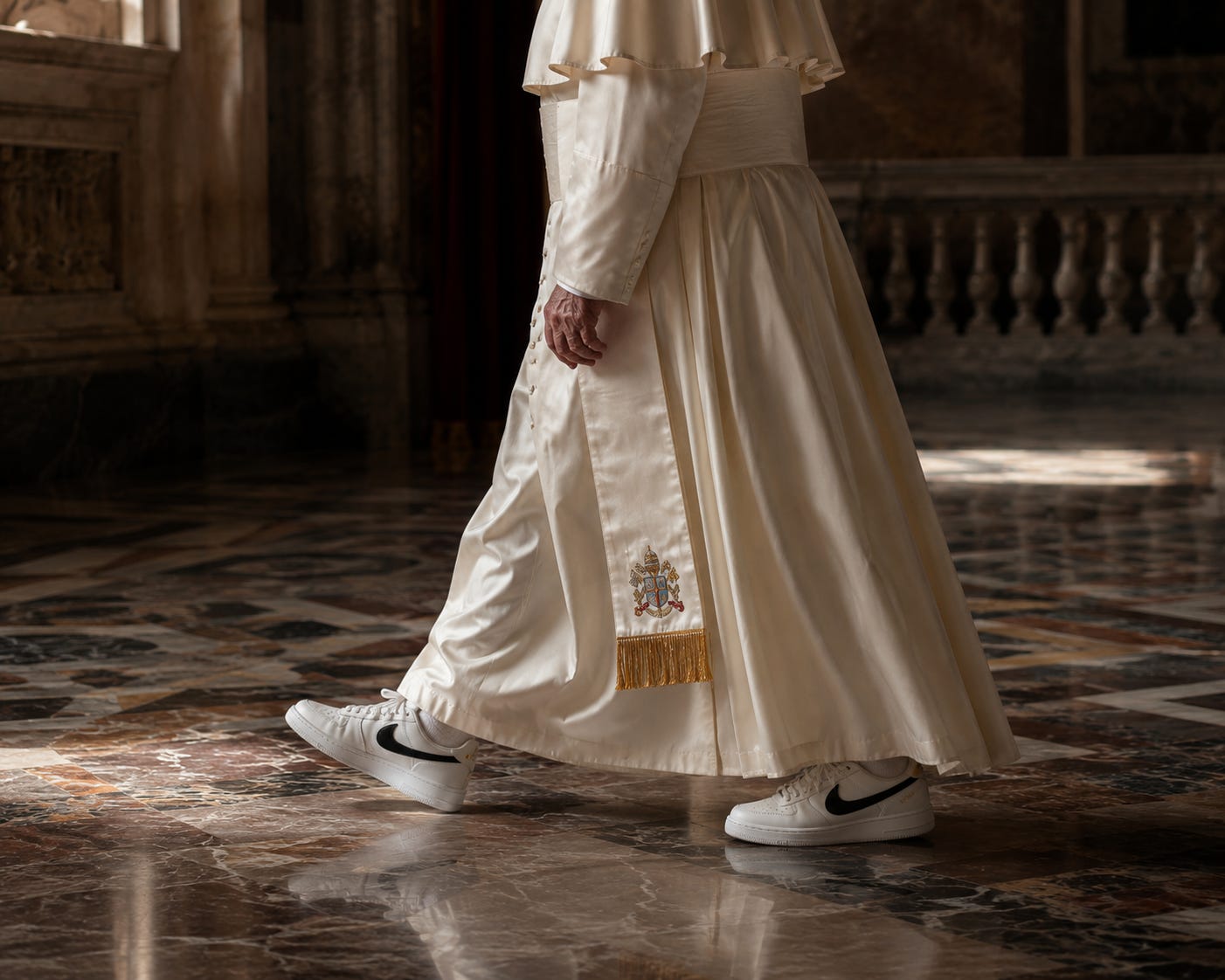
Pope Leo.
Old-school Nikes.
No paid influencer. No Super Bowl commercial. No emotionally authentic campaign. Just a photograph.
The internet did the rest.
One viral image later, Nike’s quarter two numbers must have filled the dashboards faster than Kenyans on the eve of the fuel hike.
And somewhere inside Adidas headquarters, a man who had watched their $500 Sebastian Sawe sneakers sell out and reappear online at $1,500 probably whispered the same thing every struggling salesman eventually whispers:
Ni God manze. (Its God man)
Funny line. But modern life runs on belief systems more than we admit.
A football fan buys a jersey after a terrible season.
A politician survives another scandal.
A Kenyan abroad sends money home after saying “this is the last time” for the sixth consecutive month.
Which is why the diaspora remittance story has become impossible to ignore.
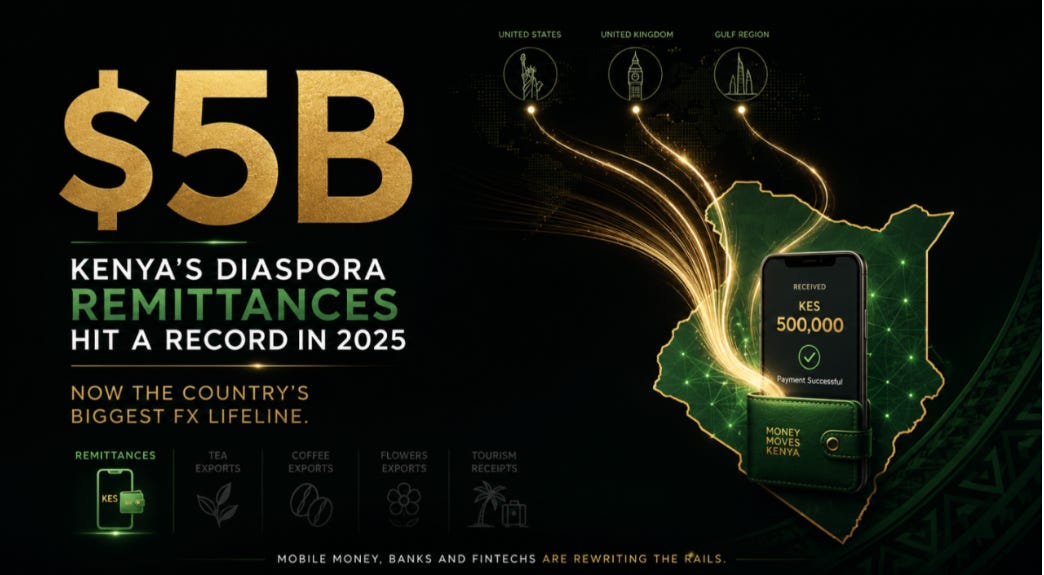
Ali Hussein and the FINTAK newsletter highlighted this week that Kenya’s diaspora remittances crossed $5 billion in 2025.
Bigger than tea.
Bigger than coffee.
Bigger than sectors we proudly debate on TV panels every evening.
That is no longer supporting relatives.
That is infrastructure.
One cousin abroad quietly becomes school fees, hospital cover, funeral committee, b…k tax headquarters and emergency liquidity facility for an entire family tree. You see them quietly shaking their hears as they read the message.
“Nitumie kakitu.” (Send something)
Small sentence. Massive economy. Banks know it. Telcos know it.
Fintechs definitely know it.
Entire products are now being built around emotional obligation.
People rarely wait for perfect systems before surviving.
They start rebuilding first.
Then institutions arrive later — pretending it was their idea all along.
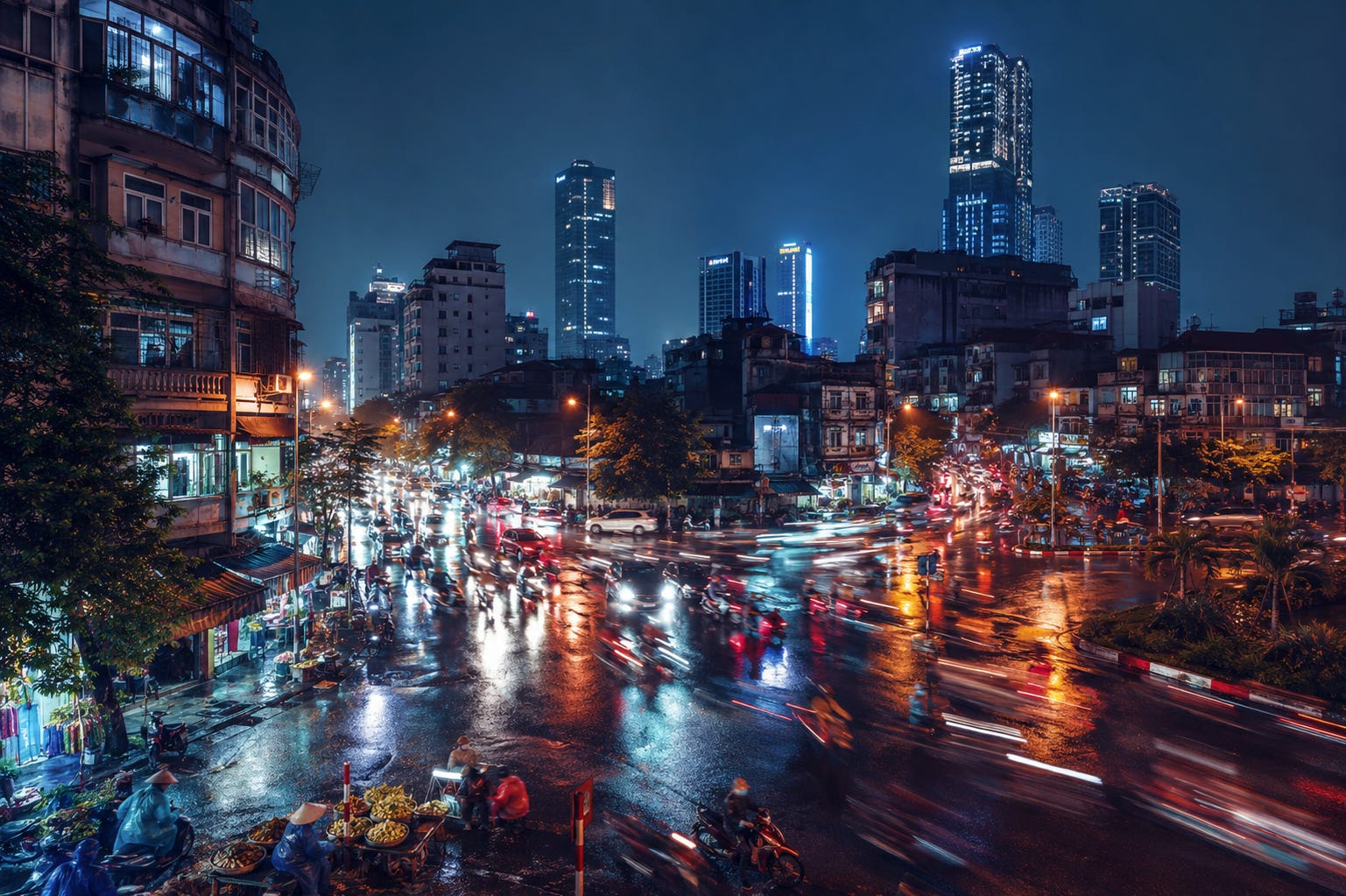
By the mid-1980s, Vietnam was exhausted.
Not “I am done with this relationship” exhausted.
Properly exhausted.
They had fought the French. Then the Americans. Won both wars. Reunified the country. Then nearly collapsed trying to run the economy through rigid Soviet central planning. By 1985, inflation was estimated to be above 700%.
Farmers were struggling. Food shortages were real. The Soviet aid pipeline keeping them afloat was drying up fast.
The country had beaten foreign powers only to start losing to its own system.
That’s what got me most. Because many countries can unite against an external enemy. Very few can admit: “Maybe the problem is now us.”
Then came 1986. The 6th Party Congress. Vietnam introduced what became known as Đổi Mới.
Renovation.
Not revolution. Not motivational quotes on social media with sunsets in the background.
Renovation.
But the most important detail is the one most people miss. The Vietnamese people had already started adapting before the government officially changed policy.
Farmers were already informally trading. Workers were already improvising.
Markets were quietly emerging underneath the formal structure.
The people renovated first. The government eventually caught up.
Between 1993 and 2014, over 40 million Vietnamese people rose out of poverty. (they are over 100 million people)
Vietnam went from food shortages to one of the world’s major rice exporters.
That is why Đổi Mới means more than it sounds. Not because Vietnam became perfect. But because ordinary people started rebuilding before the system fully believed rebuilding was possible.
Kenya has its own quiet renovators. Most just don’t get documentaries made about them yet.
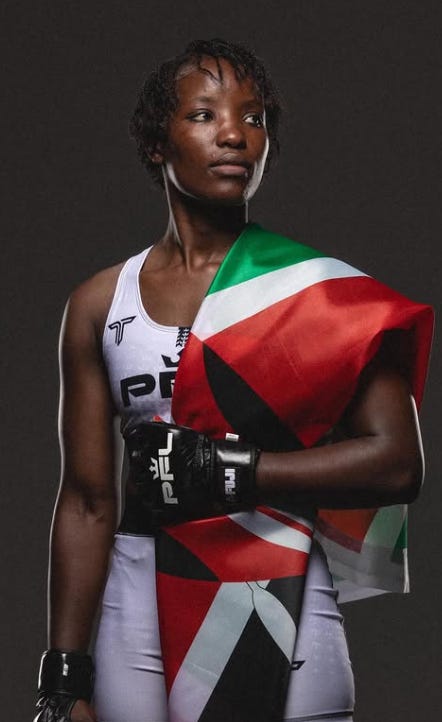
Take Felista Mutheu Mugo.
Born in Kibwezi. Grew up in South B. Studied baking and pastry.
Not exactly the traditional origin story of a professional cage fighter.
Mixed Martial Arts (MMA) was never the plan. She started karate for self-defence in 2019, became a national champion, then slowly realised she needed more.
Boxing. Grappling. Kickboxing. Discipline. Pain.
Then came a very modern African story. She started posting training clips on Instagram. In Lubumbashi, a Congolese MMA coach called Yadad Moser saw them and reached out.
And like every sensible African woman taught not to trust random men on the internet — she ignored him. For almost a year. Eventually she replied. Eventually she moved. Eventually her life changed. Not through an institutional program. Not through a federation masterplan. Not through a motivational seminar with tips on how to get what you want.
Lubumbashi.
Her first professional fights did not go well. Losses. Hard lessons. Reality arriving quickly. But she stayed. Better grappling. Better striking. Better composure. Quiet renovation.
Last month she became the first Kenyan woman signed by the Professional Fighters League and beat Uganda’s Annet Kiiza in Pretoria. Zero federation support. Friends and family rooting for her.
Resonable prize money all on her own.
Just years of rebuilding quietly before cameras arrived.
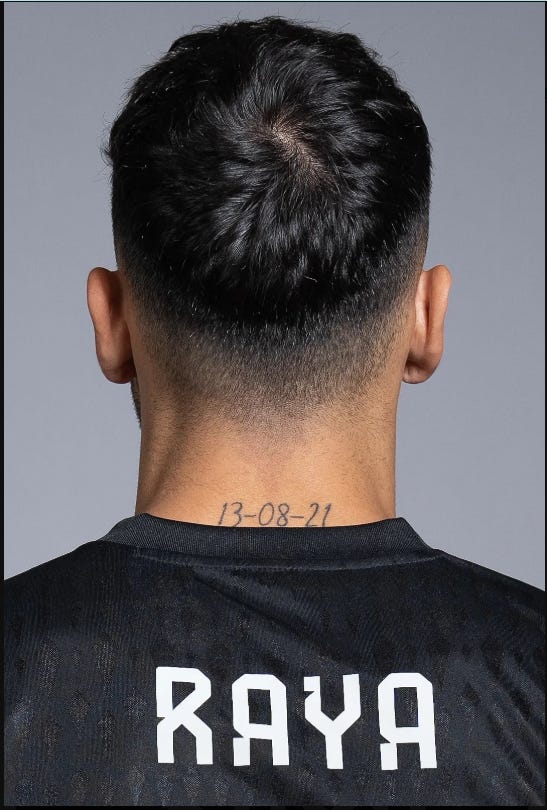
David Raya’s story is basically Đổi Mới wearing goalkeeper gloves.
He has a tattoo on THE BASE OF HIS NECK. The date 13-08-21. No big deal, right?Well. That date commemorates his Premier League debut — a moment worth remembering forever.
Except Raya’s debut happened to be a 2-0 victory over a certain club called Arsenal.
He tattooed the day he beat his future employers, onto his skin.
That is not arrogance. That is a man who understood exactly where he had come from and refused to let himself forget. Because the journey to that tattoo was not glamorous.
At 16 he left Barcelona for Blackburn Rovers. Alone. Barely spoke English. Living by himself while most 16-year-olds were still negotiating curfew and asking for fare.
Raya got loaned to Southport. Fifth tier of English football.
Cold mornings. Small crowds.
Win bonuses that mattered because they helped pay bills. Blackburn had spoiled him — meals ready, laundry done, structure provided. Southport changed that quickly. Do your own laundry. Handle your own life.
Play against men whose mortgage depended on Saturday results.
That is where the renovation happened. Not the Emirates. Southport.
He climbed every level properly. League One. Championship. Brentford.
Then Arsenal — where Aaron Ramsdale had just been in the Premier League Team of the Year.
Raya arrived on loan carrying all the emotional warmth of a KRA return.
Four games later, Arteta changed goalkeepers.
Now: three consecutive Golden Gloves. Record clean-sheet pace. Champions League final. Potentially the greatest clean-sheet season by a goalkeeper at an English club in UCL history.
But the part that stayed with me wasn’t the trophies.
It was the tattoo. 13-08-21.
The day before everything. Inked permanently.
A quiet man’s loud reminder that the renovation — all of it — was worth it.
#COYG

And next week the renovation comes to Nairobi.
The Rugby Africa Women’s Cup arrives at RFUEA Grounds on Ngong Road. May 23 to May 31.
Kenya Lionesses. South Africa. Uganda Lady Cranes. Madagascar.
Circle May 31. Kenya vs South Africa. Potential title decider.
Women’s rugby across Africa has survived mostly through stubbornness for years — shared physio tape, small allowances, long bus rides, players balancing jobs and training simultaneously.
Quiet renovation. Same pattern as Vietnam, Felista, and Raya. Rebuilding before recognition.
Go find your Kenya shirt. Tukutane RFUEA grounds.
Wishing coach Simon Odongo, Captain Sheila Chajira and the Lionesses success.
The rebuild is on show. Godspeed.
#LetsGoKenyaLionesses
Tukuwe serious kidogo though. (lets be a bit serious)
One of the strangest things about modern African life is how quickly we notice failure and how slowly we notice rebuilding.
A team loses one match — everybody becomes a tactical expert.
A project delays — national mourning on social media.
But quiet rebuilding? That rarely trends.
Nobody claps for the woman doing double shifts abroad quietly paying school fees. Nobody claps for the Lionesses doing gym work at 7am. Nobody claps for the athlete training in an empty South B gym while the country debates softer things.
That work is boring to watch. Until one day it suddenly looks like overnight success.
Sometimes our governments behave like this. They arrive late to momentum and then speak like they created it personally. Meanwhile the real renovation had already started — in estates, in WhatsApp groups, in diaspora apartments, in muddy training grounds, in fifth-tier football towns, in Lubumbashi gyms, in tired households surviving another month.
Perfect systems are the reward at the end of rebuilding. Not the beginning.
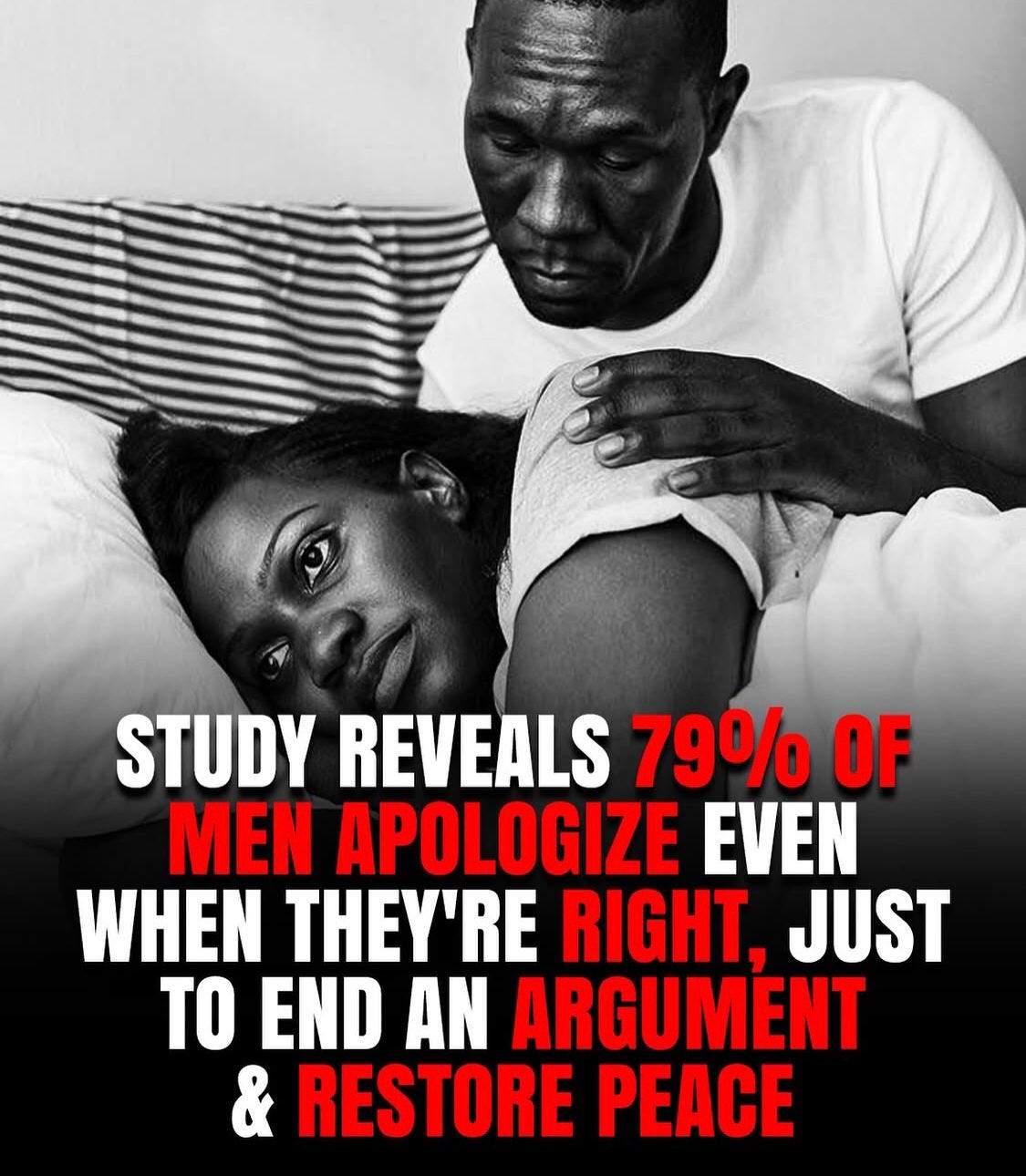
I saw the stat above recently.
79% of men admit apologising even when they believe they are right.
Really? That number felt way too low.
Because by a certain age, most men are no longer arguing purely for truth. They are calculating consequences. School fees. Rent. Co-parenting. Office politics. Family WhatsApp groups. Emotional fatigue.
Starting over at 43.
Three-day silence in the house over something that started with “did you call me fat.”
Sometimes “I’m sorry” is not surrender.
It is infrastructure maintenance.
And maybe that is still part of renovation too. Less ego. More continuity. Less performance. More rebuilding. Most people are honestly just improvising adulthood one month at a time — hoping the system around them does not collapse before payday.
Which is why next week I will go find my old Kenya shirt and those battered old Nikes at the back of the house and head to RFUEA.
Not because the rebuilding is finished.
Because it isn’t.
But because sometimes the most important thing you can do is show up while the rebuilding is still happening.
Same Forest. Different Monkeys.
Mubarikiwe. Jah Bless.
Go with forgiveness.