
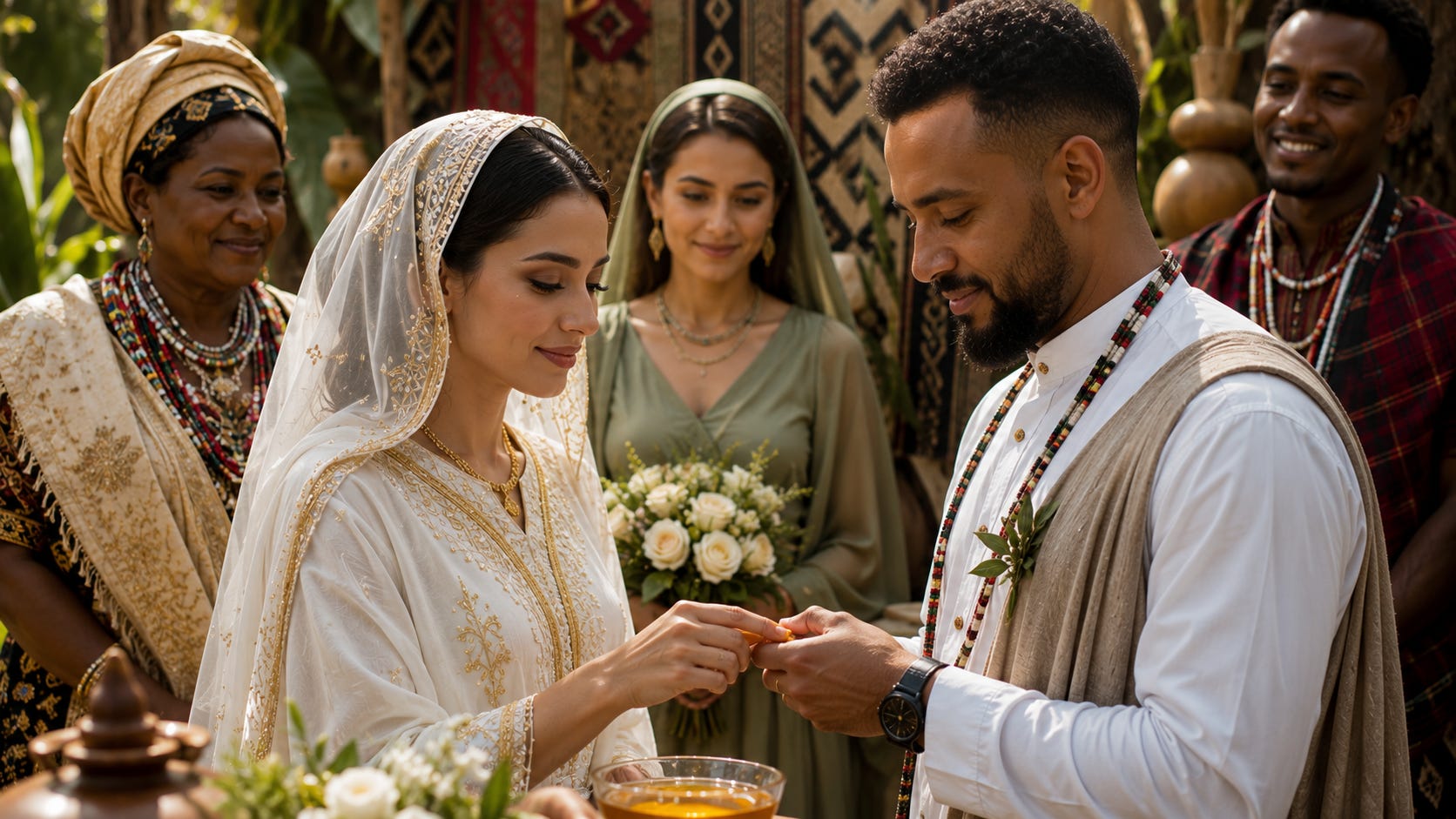
A couple of weeks ago, I attended one of the smallest, warmest weddings I have been to in a long time.
A Kenyan man and an Iranian woman stood before family and close friends to begin a new chapter.
There were no grand theatrics and no large gathering.
Just two families, two cultures and a ceremony rich with meaning.
Classy. African. Posh.
One Persian tradition caught my attention. Before exchanging rings, the couple each dipped a little finger into honey and fed it to the other. The gesture is a promise that the marriage should begin, and hopefully continue, with sweetness.
I smiled because every culture seems to have found its own way of asking the same question before two people commit:
how do we know this person is serious?
That is really what all these rituals are about. The honey. The bridewealth.
The negotiations. The witnesses.
Somebody, somewhere, wants proof that this is not excitement dressed up as commitment.
In June, the Garissa Kadhi’s Court ruled on a marriage that had lasted twenty-six years. The husband insisted he had already honoured the agreed mahr (dowry) years earlier, but there was no receipt, no witness and no record.
The Kadhi therefore held that the original obligation had never been discharged and ordered him to pay his estranged wife four cows, or their cash equivalent.
Different ceremony. Same principle.
Commitments do not disappear simply because time has passed. If you cannot show they were honoured, they remain commitments.
India outlawed dowry more than sixty years ago, yet the practice remains deeply embedded and sometimes deadly.
In parts of China, caili payments have risen so steeply that some young men are delaying marriage altogether in spite of government appeals to families for a “discount”.
In north-western Kenya, cattle rustling across the Karamoja cluster has long been connected, among other pressures, to young men seeking the livestock required to marry.
Different cultures. Different currencies. Same question.
How do we know you are serious?
I found that fascinating for about a day. Then I became distracted by another question entirely, one the wedding had planted without me noticing. Nothing about that ceremony was sudden. Two people do not arrive at a honey ritual overnight. There were years before that Saturday: conversations, introductions, choices, families getting to know one another and decisions nobody outside the room ever saw. Once I started looking for that pattern, I could not stop seeing it everywhere.
Start with your phone.

This week, Samsung projected quarterly operating-profit figures that placed it ahead of Nvidia’s latest reported quarter.
Every Kenyan who has stubbornly held onto a Samsung over the years can walk a little taller.
Join me in pointing our A16s towards the iPhone crowd and saying, with appropriate dignity,
“Soma label.” (look at the brand)
The world’s most profitable technology company, for the quarter, is sitting in your palm.
The headline made the achievement look sudden. It wasn’t. Samsung entered the semiconductor business more than four decades ago, long before artificial intelligence became the favourite word in every investor presentation, strategic plan and hurriedly renamed Nairobi conference. The market recognised the result this week.
The investment began generations ago.
That is how foundations work. They remain underground until somebody admires the building.
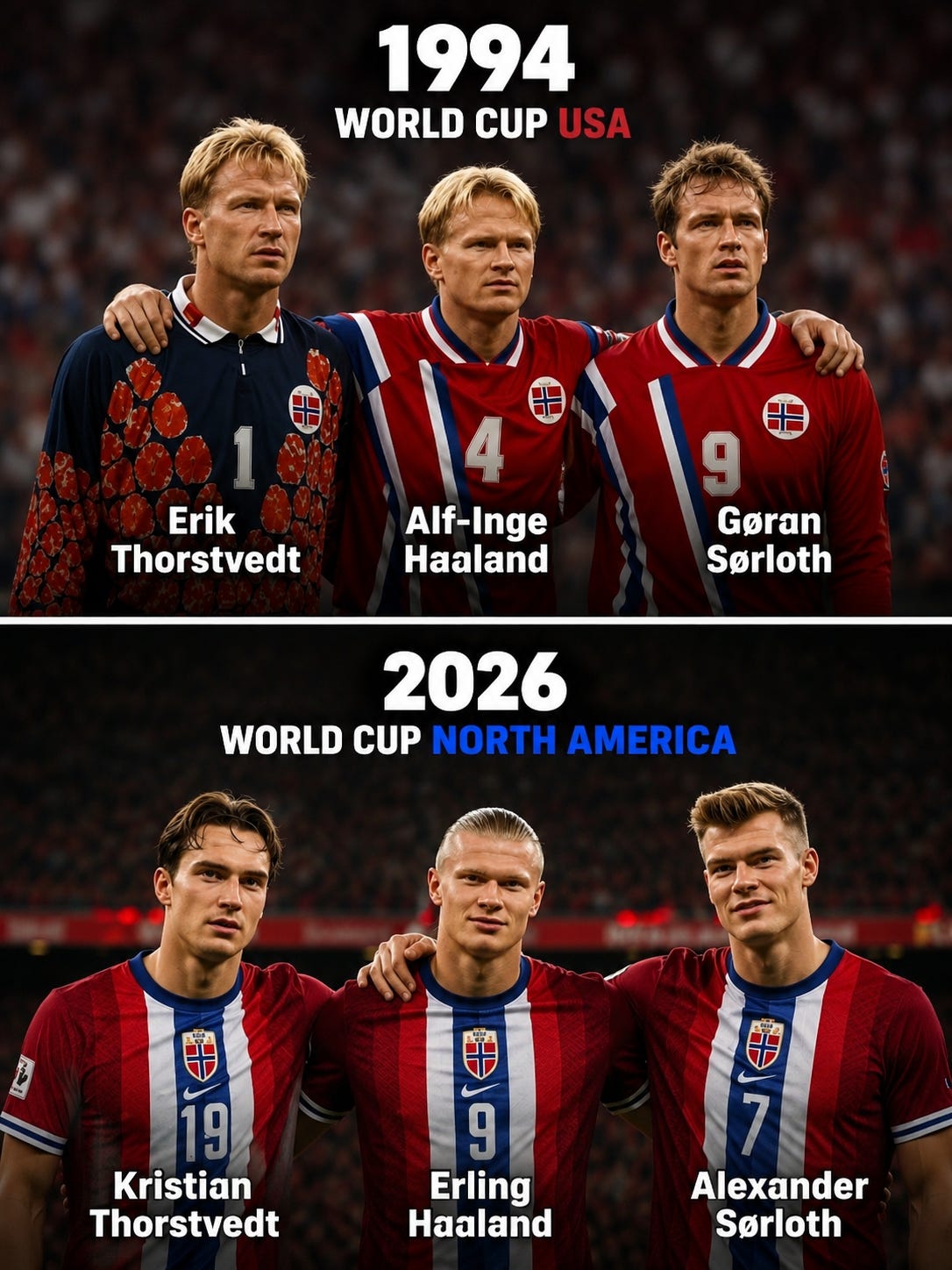
Norway understood the same principle, only in a different currency. During the 2026 World Cup, three familiar surnames returned to football’s biggest stage:
Thorstvedt, Sørloth and Haaland.
Their fathers had all worn the Norwegian jersey at the 1994 World Cup. Thirty-two years later, Kristian Thorstvedt, Alexander Sørloth and Erling Haaland returned wearing the same national colours.
We applaud Erling’s goals. Buried inside that applause is something television rarely records: a childhood spent around international standards, elite habits and an understanding of what the highest level demands.
Talent can run in a family. So can preparation.
Norway did something similar with money. Oil was discovered in the Norwegian North Sea in 1969, but instead of treating the windfall like a winning betting slip, the country chose patience. In 1990 it established what became the Government Pension Fund Global, building a reserve intended to benefit both present and future generations. Today it is the largest sovereign wealth fund in the world, worth more than two trillion US dollars depending on the market.
On paper, every Norwegian is worth hundreds of thousands of dollars, although nobody is walking into a bank to withdraw their share and buy a Prado.
Different field. Same discipline.
The hardest part was never earning the money. It was resisting the temptation to spend it before the next generation needed it.

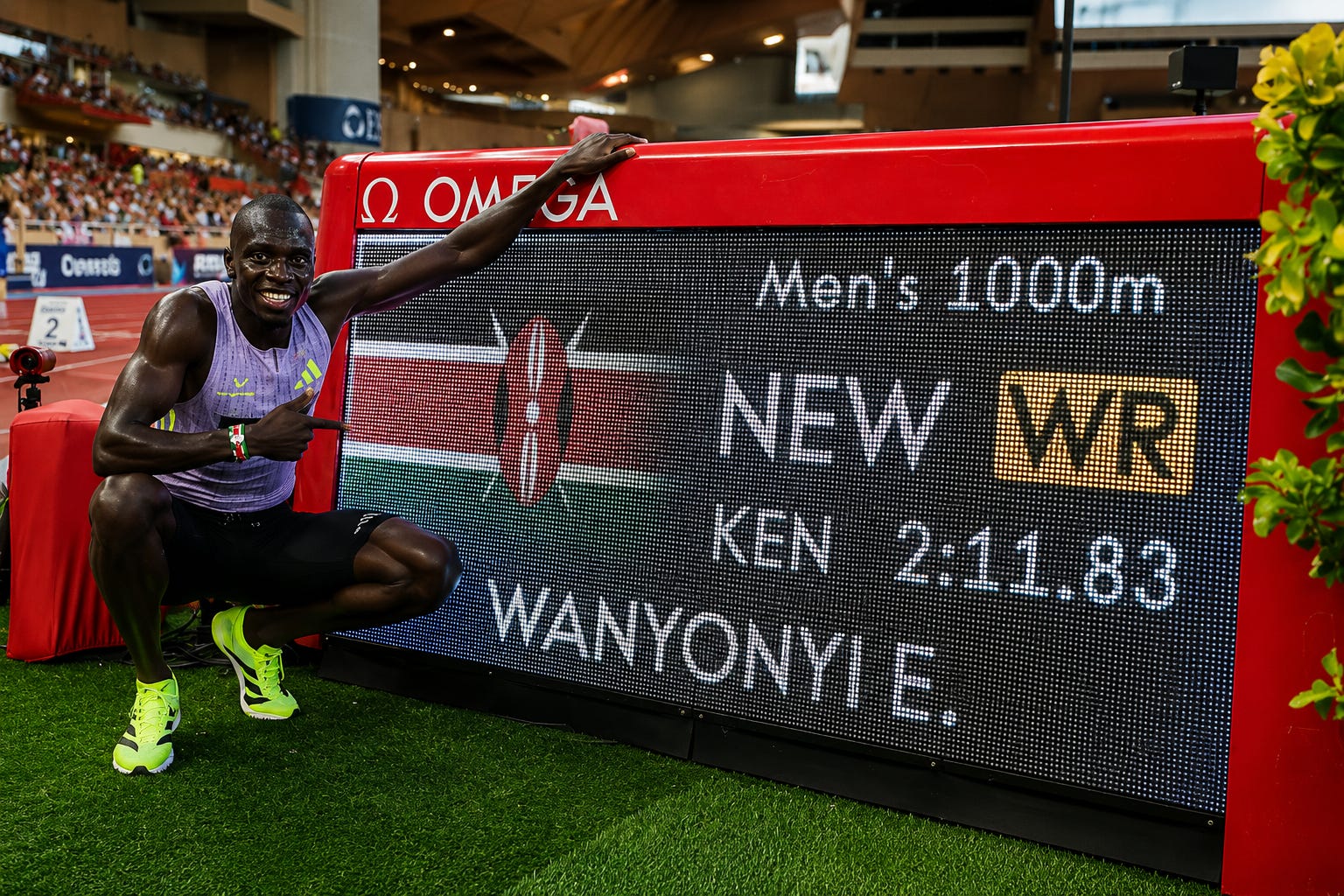
The track told the same story on Friday evening. At the Monaco Diamond League, Kenya’s Emmanuel Wanyonyi broke the men’s 1,000-metre world record at his first attempt, clocking 2:11.83 and erasing a mark Noah Ngeny had held since 1999.
Twenty-seven years.
One Kenyan handing history to another.
On the same evening, Agnes Ngetich won the women’s 3,000 metres in a world-leading 8:19.88, confirming once again that she belongs among the very best on the planet.
The television cameras captured just over two minutes. The stopwatch reduced the achievement to five digits: 2:11.83. Neither captured the years behind them.
The early mornings. The repetitive sessions.
The races that did not go according to plan.
The discipline required to keep training while the rest of us were still arguing in WhatsApp groups about who should be selected.
That’s why I struggle whenever somebody’s rise is described as “coming from nowhere.”
Nothing comes from nowhere.
Samsung didn’t stumble into semiconductors. Norway didn’t accidentally build the world’s largest sovereign wealth fund. Haaland didn’t become frightening because one season went well. Wanyonyi didn’t break a twenty-seven-year-old world record because Friday happened to find him in a good mood.
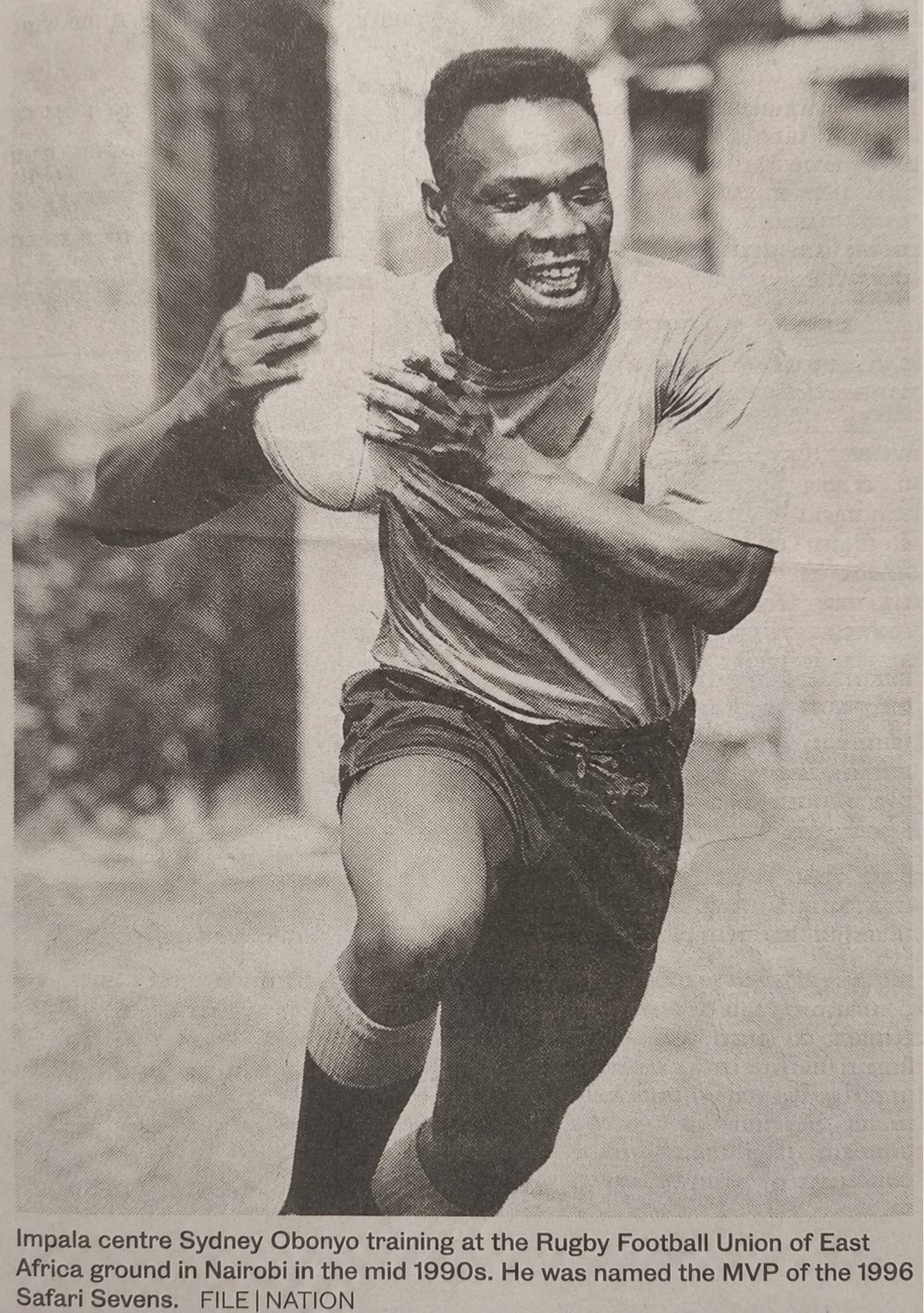
This week also marked the birthday of Sydney “Black Rose” Obonyo aka The Ferrari,
a name that deserves to travel much further in Kenyan rugby circles than it currently does.
Thirty years ago, at the inaugural Safari Sevens in July 1996, the twenty-year-old Musingu High School alumnus and Quinpala player wasn’t supposed to become the story. He came on as a replacement after fly-half Sammy Khakame was injured.
By the end of the weekend, Obonyo had scored seven tries and kicked twenty conversions, enough to be named the tournament’s first-ever Most Valuable Player. Kenya had lost 21–7 to Uganda during the pool stage. Obonyo still remembers the “pin-drop silence” around RFUEA after that defeat. Kenya fought its way through the Plate competition, beat Mauritius, met Uganda again in the final and won 38–12, with Obonyo scoring twice from long range.
The first result produced silence.
The response produced history.
Thirty years later, Safari Sevens is still on the rugby calendar. The tournament is remembered, celebrated and marketed. I sometimes wonder how many rugby supporters under thirty know the name of the young man who won its very first MVP award.
That is another problem with applause. It is loud, but it has a short memory.
We celebrate the visible moment while life is constructed in the invisible ones.
Maybe that is why so many people feel discouraged in their thirties and forties.
You’re paying school fees, building a business, raising children, looking after ageing parents and trying to keep your own dreams alive.
Some weeks it feels as though nothing remarkable is happening.
There is no headline for clearing half the school-fee balance.
Nobody issues a press release because you kept the business open for another month. Your children may not yet understand the sacrifices.
Your clients do not see the calls, the rejected proposals and the uncomfortable conversations that came before the contract.
Foundations have never attracted applause.
The applause arrives later, after someone else notices what years of quiet consistency produced.
That does not make the invisible years unimportant. If anything, they may be the most important years of all. The season in which nobody is watching is often the season in which the real work is being done.
The danger is abandoning it because public recognition has not yet caught up with private progress.
Which brings me back to that small wedding and the honey on two fingers. I thought I was watching a marriage begin. I was actually watching the newest chapter in something much older: two people who had spent years becoming comfortable enough to trust one another with a “yes.”
The ceremony lasted a few minutes. Everything that made those minutes meaningful happened long before anyone lit a candle.
So here is the only question worth carrying into this week: what are you quietly laying down right now that nobody is clapping for yet?
Your business may still look small.
Your children may not yet understand the sacrifice.
Your name may not be trending. The promotion may not have arrived.
The work may feel repetitive, private and frustratingly ordinary.
Keep mixing the cement anyway.
History has never been particularly good at applauding people while they are still building. It usually arrives later, when somebody else is standing comfortably on the finished floor, admiring what years of unseen work quietly produced.
That’s the whole game. Build the thing that outlasts the applause.

Same Forest. Different Monkeys.
Mubarikiwe. Jah Bless.
Go with song.
(Happy Birthday Month Syd Tour is tour)
Ah. The honey. A great read!
I still remember how the first cake I baked looked and tasted like, 43 yrs ago. I sold my first baked goods 31 years ago. Then a couple of years ago, I introduced cornbread at our BBQ events, and I get asked how I did it so well 😂😂