
FIXTURE NI FIXTURE
Last week we broke the internet.
What started as a simple story about a man called Agal Koko and 29 years of marriage somehow escaped the Facebook algorithm, jumped the walls and found its way into thousands of conversations I was never supposed to see.
By the time the dust settled, the article had recorded:
25,976 views, reached 14,069 unique readers and generated 2,626 engagements.
More interestingly, 70.9% of the people who read it were not followers of this page. They arrived because somebody sent it to them.
The algorithm contributed very little.
People did the heavy lifting. Friends tagged friends. Former classmates tagged former classmates.
Husbands quietly sent it to wives. Wives sent it to husbands.
Some readers appeared in the comments section carrying stories of their own.
Others arrived in my inbox. A few picked up the phone.
Which is both flattering and dangerous.
Kwanza, Asanteni sana. Jah Bless.
Because success has a way of making people lazy.
An old friend of mine called Lion has a saying:
Fixture ni fixture. Game ni game.
And fixtures must be honoured.
Yesterday’s win does not count today.
Last quarter’s numbers do not count this quarter.
The H1 target you exceeded will not help you hit the H2 target.
As a famous Nitpicker once reminded me after a successful article:
“You’ve created the beast. Now get ready to feed it.”
And so here we are again.
Another Sunday. Another deadline.
Another attempt to make sense of the world.
The FIFA World Cup is underway. The New York Knicks have finally climbed their mountain. Men’s Mental Health Month is in full swing. And as I looked around this week, I noticed something interesting. Men seem to be gathering again.
The first time I heard about men gathering in June was 117 years ago.
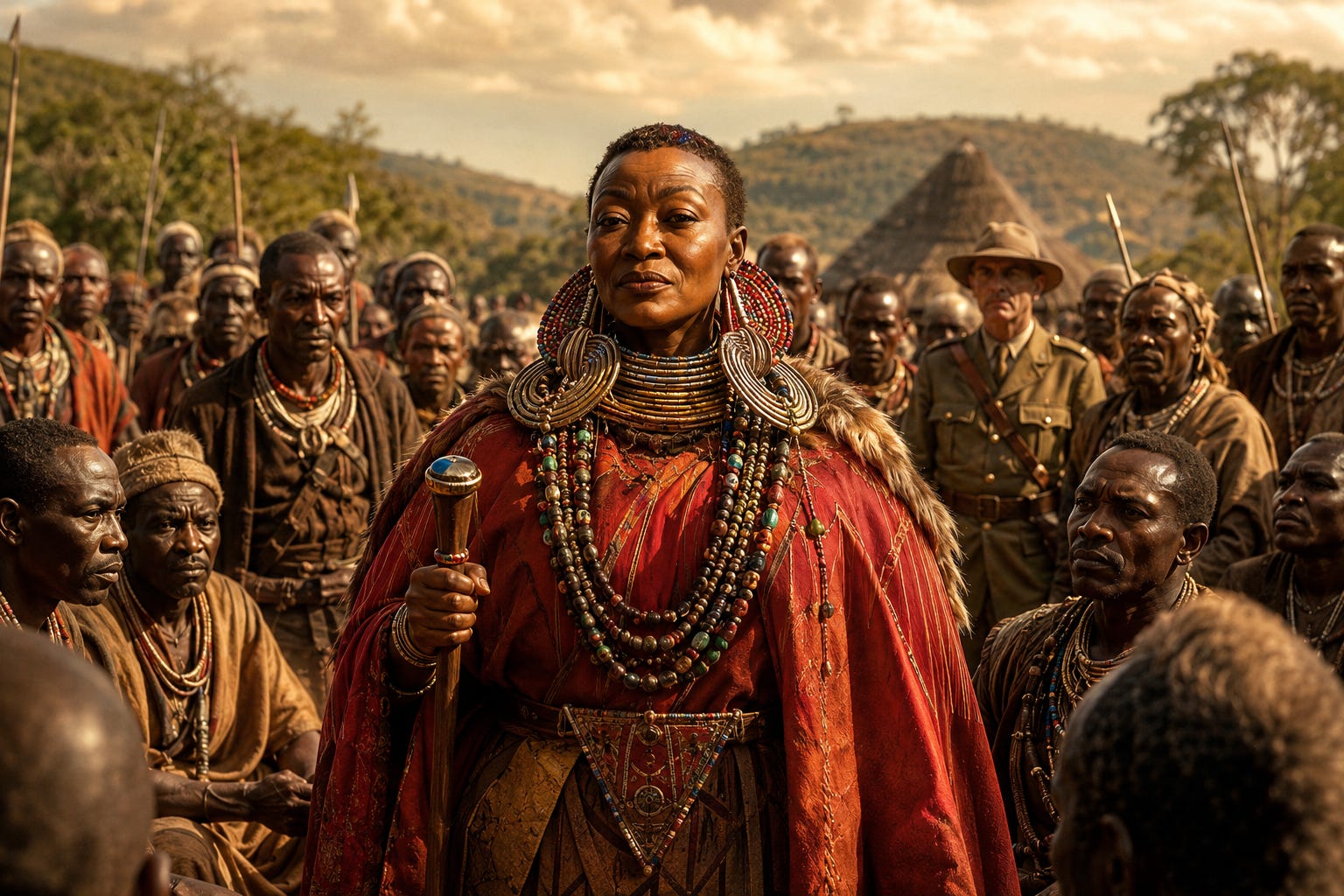
Sometime between the 2nd and 4th of June 1909, a group of Kikuyu men gathered to discuss what they believed was a problem.
Her name was Wangu wa Makeri.
To some, she was a pioneer. To others, a collaborator. To still others, a woman who had become far too powerful for the comfort of the men around her. Wangu was no ordinary woman. In a society where leadership was overwhelmingly male, she had risen to become a colonial headman, collecting taxes, enforcing rules and exercising authority over men who were unaccustomed to taking instructions from a woman.
Then came the Kibata dance. (I imagine it was the 2026 equivalent of a pole dance)
Accounts differ on exactly what happened, but the broad outline remains consistent. Wangu participated in a sacred dance reserved for initiated men.
Naked.
Whether it was confidence, defiance, miscalculation or a carefully prepared political trap depends on which historian you read.
What happened next is less disputed. The men gathered. The elders mobilised.
Her opponents found common cause. And within days, one of the most powerful women in colonial Kenya had fallen from power.
Now before the ladies reading this sharpen their tongues and prepare a strongly worded WhatsApp message — breathe.
This is not a story about whether the men were right or whether Wangu was wrong. It is a story about something far more interesting. Because as I looked around this June, I could not help noticing that men seem to be gathering again. Not around a dance. Not around a chief. Not around a rebellion. But around a very different question altogether.
What does it mean to be a man in 2026?
A few weeks ago I noticed a discussion on NTV built around pressure, purpose and power. Men talking openly about responsibility, expectations and the weight many carry quietly.
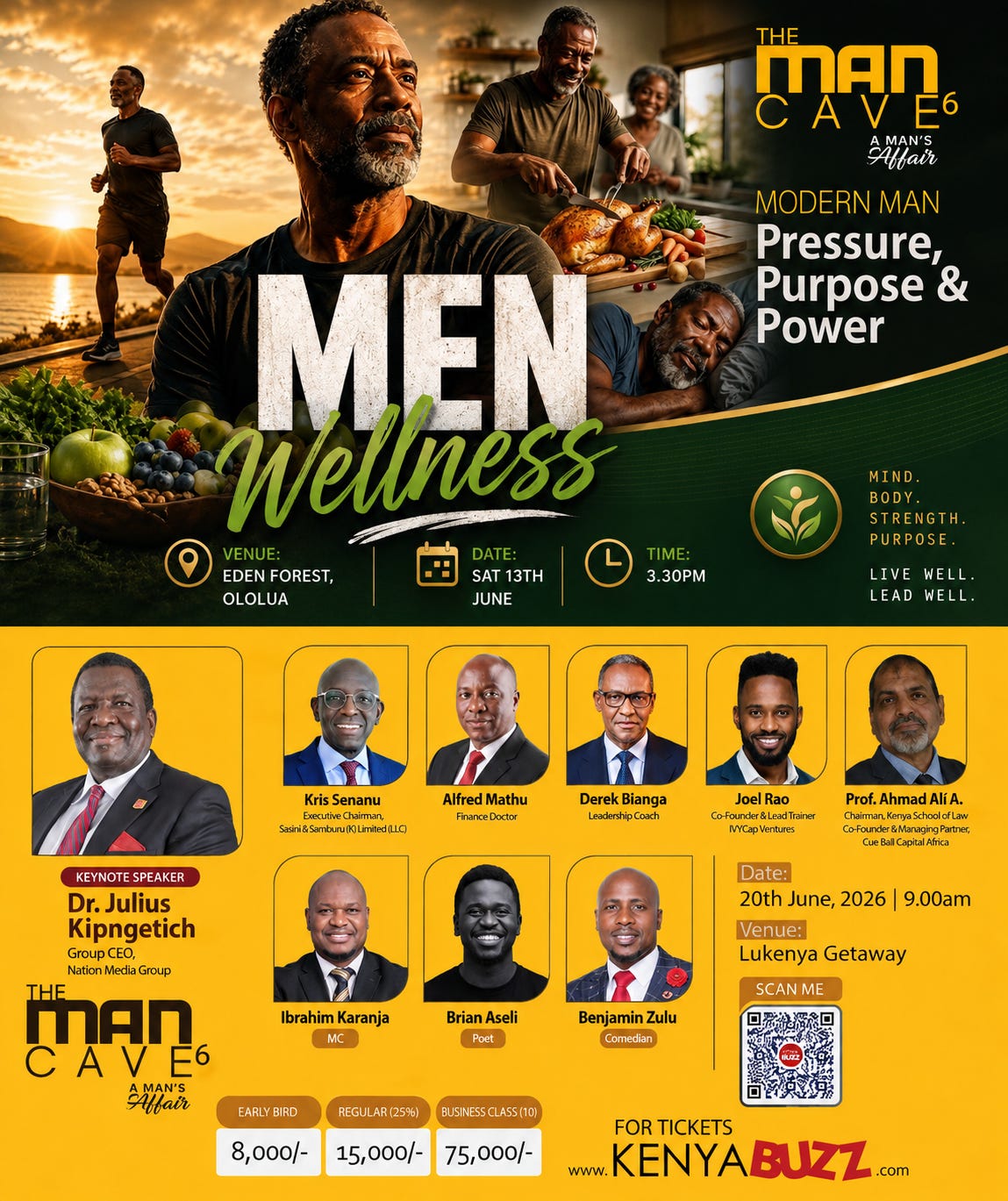
Then came an invitation to Ololua Forest. A poster from an old classmate.
Not a networking event. A wellness conversation.
Men stepping away from the noise for a few hours to compare notes on life.
A few days later my former Limuru Golf Captain & Tournament Director of the Magical Kenya Open Golf sent me a message.
”Mzae uko na roho” (Old man are you game)? Karen Country Club.
Different venue. Different speakers. Similar questions.
When A Man Fails. Midlife regrets. Recovery. Reinvention.
Not theory. Not motivation. Not social media wisdom.
Just men talking plainly about life.
Then I remembered that June is Men’s Mental Health Month. At first I thought these were isolated events. Then I stopped counting. Television discussions. Podcasts. Forest walks. Country club conversations. Church groups. WhatsApp groups. Former classmates. Coaches. Business leaders. Everywhere I looked, men seemed to be gathering. Not because they had all discovered the same answer. Perhaps because they had all arrived at the same question.
What does it mean to be the best man I can be?
The funny thing about brotherhood is that it often reveals itself when people are supposed to be competing.
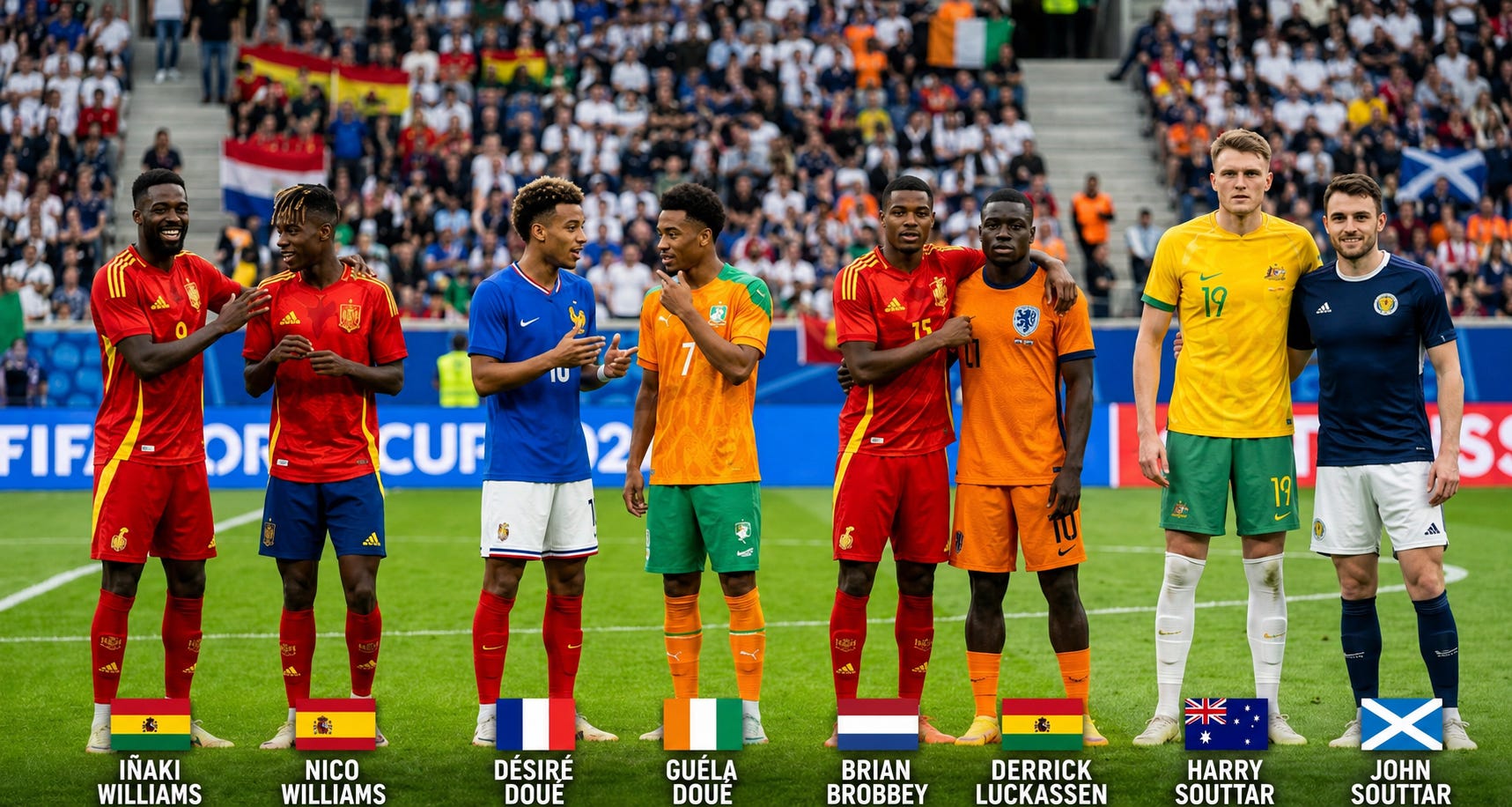
As the FIFA World Cup kicked off this week, a statistic caught my eye. Four sets of brothers are representing different countries at the same tournament. Nico Williams plays for Spain. His older brother Iñaki Williams plays for Ghana. Désiré Doué represents France. His brother Guéla Doué represents Ivory Coast. John Souttar plays for Scotland. His brother Harry Souttar plays for Australia. Brian Brobbey represents the Netherlands. His half-brother Derrick Luckassen represents Ghana. Same parents. Same homes. Same childhood memories. Different passports. Different national anthems. Different dressing rooms. The World Cup is supposed to divide countries. This year it has also produced four examples of families finding themselves on opposite sides of international football. I suspect most non-football fans reacted exactly the same way I did.
“Wait... what?”
The salespeople in this room figured this out a long time ago.
The movies celebrate the lone wolf.
The rainmaker.
The closer who walks into a room, signs the deal and rides off into the sunset.
Reality is usually much less dramatic.
Most successful sales teams hunt in packs.
There is the morning huddle before the day begins.
The colleague who tells you a competitor has just changed prices.
The veteran who quietly shares a contact.
The rookie who spots an opportunity everyone else missed.
The individual may close the deal. The pack usually helps make it happen.
After over two decades in boardrooms and sales floors across East Africa, I have come to appreciate that some of the most valuable conversations happen before the customer ever walks into the room.
Perhaps that is why so many men seem to be gathering this June.
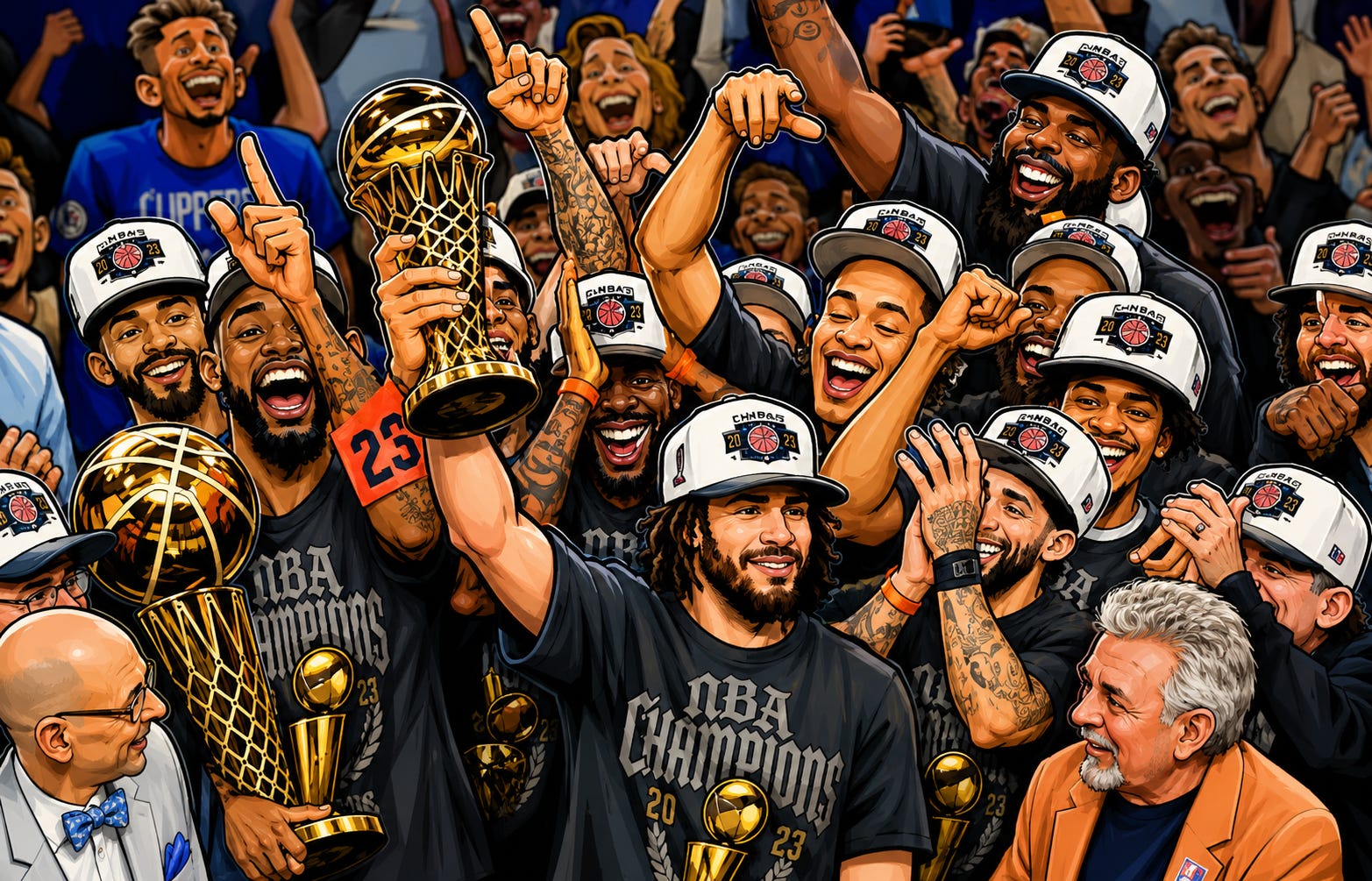
The New York Knicks have just won their first NBA championship in 53 years. Championship teams are often built around a single superstar. The Knicks took a different route.
The turning point came in 2022 when they signed Jalen Brunson in free agency. The following year they brought in his former Villanova teammate and close friend Josh Hart. Then OG Anunoby. Then Mikal Bridges. Then Karl-Anthony Towns. One by one the pieces arrived. Not overnight. Not through a single blockbuster move. Not through luck. Through a series of deliberate decisions made across four years. Sports fans will remember the points, the rebounds and the championship parade. What caught my attention was something quieter.
The title was not built in June.
It was built one relationship at a time.
One player. One trade. One conversation. One piece at a time.
Fifty-three years is a long time to wait for anything.
Irrefutable proof that doing it together still works.
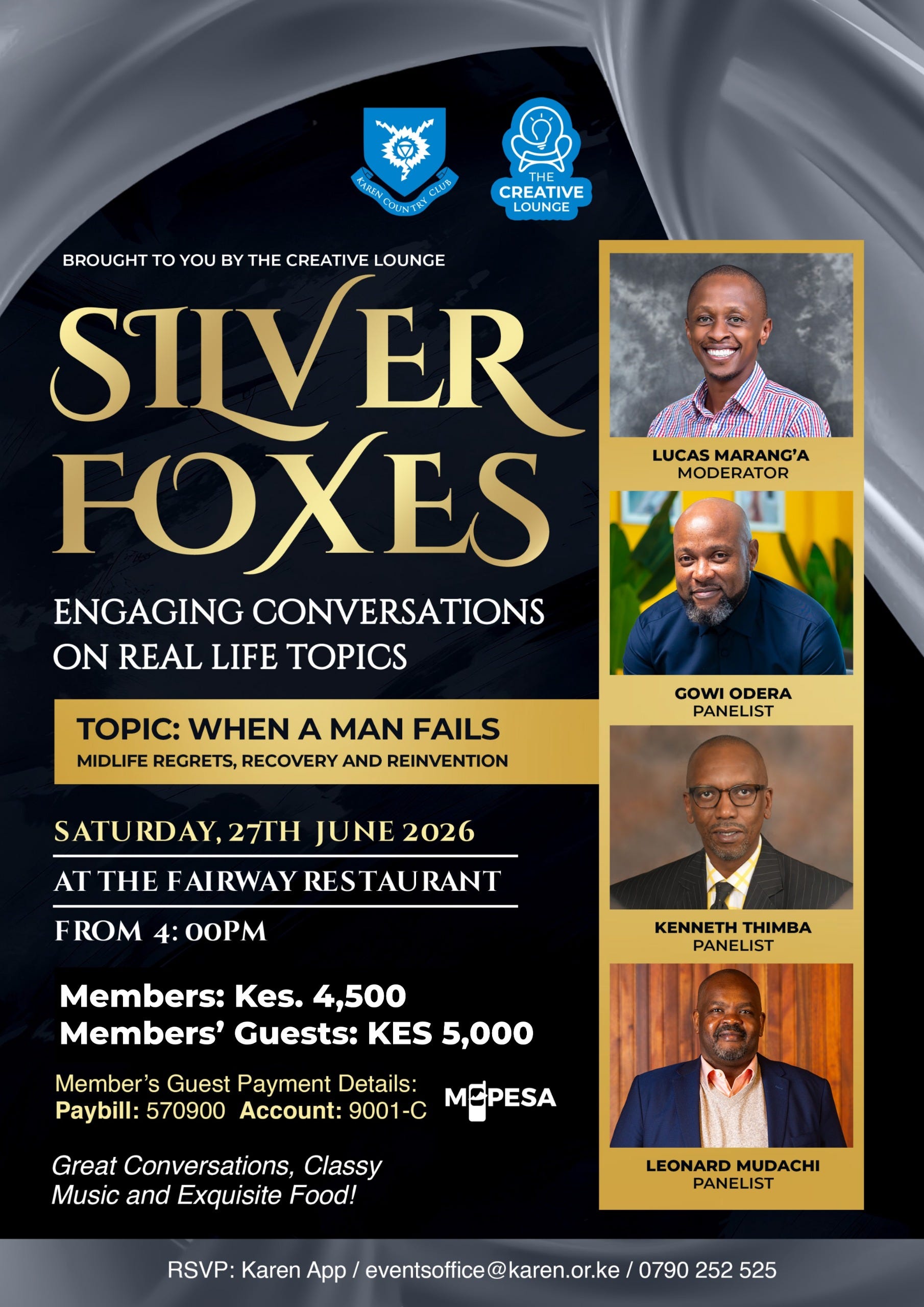
On Saturday 27th June, a group of men will sit on a stage at Karen Country Club and discuss a topic that many men spend years avoiding.
When A Man Fails.
Midlife regrets. Recovery. Reinvention. Not theory. Not motivation.
Not social media wisdom.
Just a group of men comparing notes on what life actually looked like when the plan did not survive contact with reality.
By the time this conversation happens, the World Cup will still be underway. The Knicks will still be celebrating a championship 53 years in the making. Men will still be meeting in forests, churches, boardrooms and WhatsApp groups trying to make sense of life.
Which makes me wonder whether all these gatherings are really about the same thing. The men who gathered in 1909.
The men gathering in 2026.
The brothers on opposite sides of the World Cup.
The sales teams sharing intelligence before the day begins.
The championship teams built one relationship at a time.
Perhaps all of them are searching for the same thing.
Perspective.
Because age does not eliminate uncertainty.
Experience does not eliminate mistakes.
Success does not eliminate questions.
As we say in the mtaa (neighbourhood):
Piga luku bro. (Clean up). Tukutane “Keren” 27th.
Hata paka mzee hukunywa maziwa. (Even an old cat still drinks milk.)
And perhaps that is why men continue to gather. Not because they have all the answers.
But because they have finally become comfortable admitting they still have questions.
Same Forest. Different Monkeys.
Mubarikiwe. Jah Bless.
Go with song.
You fed the beast early today! 😂🙌🏿 If the questions are asked often, and openly, solutions will follow. May they continue long after June, catch up with No Shave November, and beyond!