
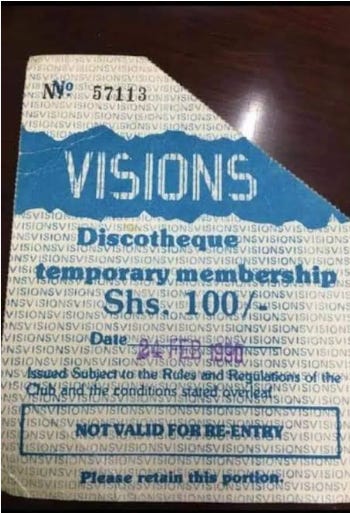
Sometime around 1990, a few of us were standing on Kimathi Street pretending we had absolutely no interest in going into Visions disco.
We had, of course, just been bounced.
Visions was one of Nairobi’s premier discos, and apparently enthusiasm alone did not meet the dress code. Between us, we probably owned two respectable shirts, one pair of proper shoes and somebody’s father’s jacket.
So there we were, squeezed onto the traffic island between the buildings the ancient Total petrol station and a jacaranda tree, trying not to look like young men who had just been rejected. Worse, the chiles (young ladies playing truant) kept walking past, heading exactly where we had been denied entry.
Then this guy appeared.
Tall. Dark. Handsome. TDH, as we used to say. Long jacket. Properly put together.
“You guys want to get in?”
Obvious…...
“I can sort you out.”
That was how I met Barrack Oswere.
Barre spoke at 300 kilometres an hour, yet somehow you understood every word. If Nairobi had a door with somebody standing in front of it saying No,
Barre knew somebody who could say Yes.
Visions cost a hundred bob. Serious money. Spending it required committee approval.
But Barre had discovered a loophole.
Trattoria, Gaetano Ruffo’s Italian restaurant, had been serving Nairobi since 1981. This was proper Nairobi posh, the sort of place where the bill arrived discreetly because asking too loudly might disturb the ambience.
When Ruffo opened Visions, Trattoria diners received complimentary passes. Many apparently had no desire to dance until morning.
Barre knew the waiters. The waiters knew Barre. I suspected Gaetano knew him too.
Somehow those unwanted complimentaries migrated from fine Italian dining to badly dressed young men hiding behind a jacaranda tree. Wednesday and Sunday nights suddenly became affordable. We joked that Barre probably carried the luminous Visions entry stamp in his pocket.
But getting us through that door was only the beginning.
A few years later, the boys had dispersed. University. First jobs. That awkward stage when your salary had arrived but your wardrobe had not received the memo. Some of us were still wearing school trousers to work. Stonewashed jeans and jeans with mysterious zips around the sides of the knees had been banished to weekends. Jackets came from fathers, uncles and any relative who had ever held an office job.
Then Barre reappeared.
We were at Cameo, Nairobi’s most popular bar-cinema, hanging around the pool table one evening and voila, Barre materialised. Looking sharp as always. He seemed to keep the best stock to himself.
This was the age of New Jack Swing. MTV. Soul Train. GUY on the Cassettes.
Wesley Snipes had become Nino Brown in New Jack City, while Samuel L. Jackson smoked the television.
Every young man in Nairobi believed he was one long coat away from becoming an international gangster, with Color Me Badd singing “I Wanna Sex You Up” as you stepped into a smoke filled club.
Barre pulled us aside. “You guys need suits.” We did.
That was my proper introduction to previously owned clothing—otherwise known as mitumba.
Barre had hooked up jackets, suits, trousers and shoes: the complete starter pack for a young man trying to look employed before his bank account fully agreed.
My first Barre jacket was brown and checked, with patches on the elbows. You know the kind, the ones British Lords wear at a fox hunt.
We called that style the Land Grabber jacket, after Nairobi city mandarins with an affinity for dispossessing innocent people of their shambas.
I wore mine with a navy-blue all-purpose button-down shirt, dark tan trousers and the only pair of black shoes I owned.
I thought I looked spectacular.
The ensemble was backed up by Davidoff Cool Water Cologne, as prescribed by a Dr. called Dre and a pharmacist called Snoop.
But perhaps Barre’s real product was not clothes.
It was confidence.
Barre taught us the small things. Match your belt with your shoes. A jacket could change how you entered a room. Looking sharp did not require waiting for the clothes in the shop window. By the time some of us could afford the Calvin Klein, we had already enjoyed the second-hand experience. Barre moved from taking orders office-to-office to opening Kings Castle—The Gentleman’s Shop—on Koinange Street. He dressed young men discovering salaries, offices, girlfriends and Nairobi. Years later, he summed up the philosophy:
“Don’t dress like your problems.”
I laughed when I first heard it. I understand it differently now.
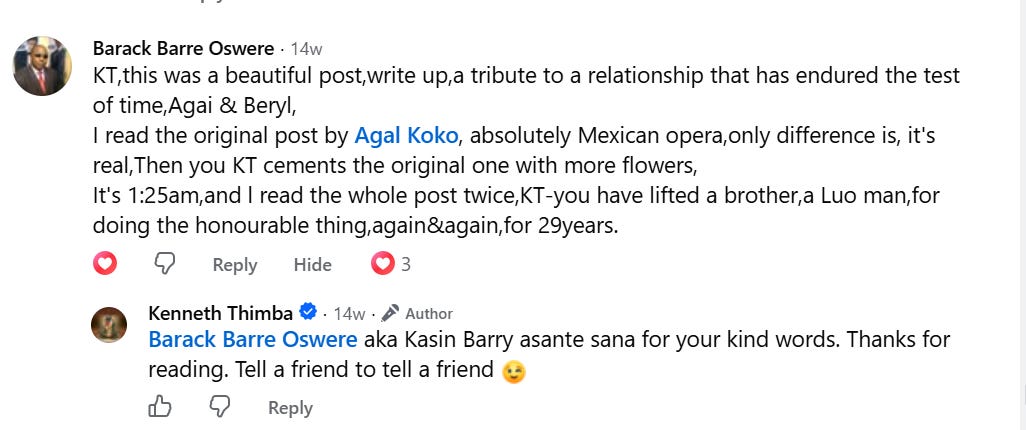
Fourteen weeks ago, Barre left a comment on one of my Facebook stories. It was about Agal Koko and Beryl, a relationship that had endured for 29 years. Barre called the original story an “absolutely Mexican opera” only this one was real.
It was 1:25 in the morning. He had read it twice.
“KT,” he wrote, “you have lifted a brother.”
What I did not know was that Barre himself was bedridden. I wish I had known.
When somebody has been in your life that long, you assume there will be another conversation. Another joke. Another chance to ask, Do you remember those idiots outside Visions? We had travelled from youngsters with borrowed jackets, through careers, marriages and children, into that strange age when funerals begin appearing more regularly than weddings.
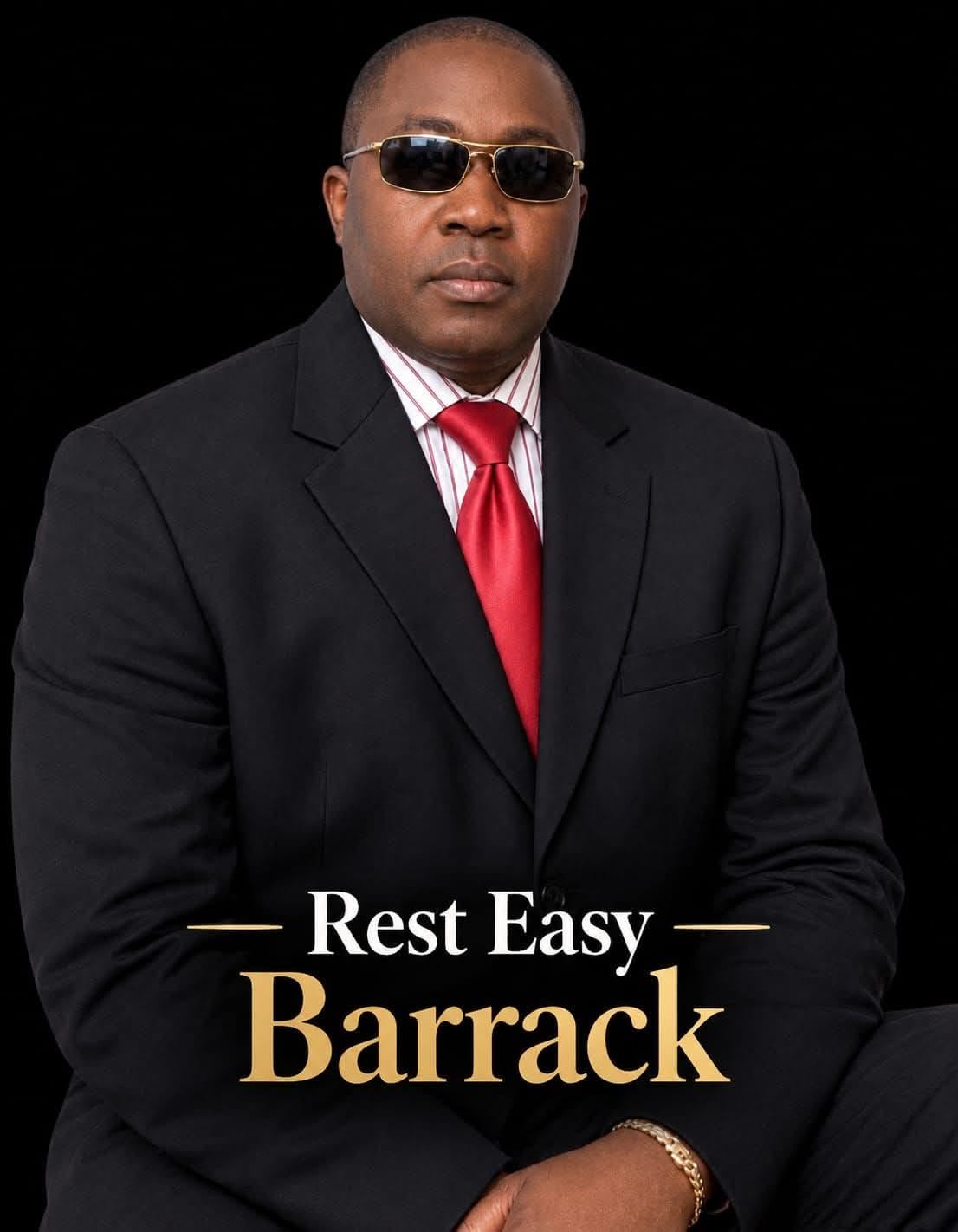
You dressed a lot of us before we knew how to dress ourselves.
The clothes now seem almost incidental.
Barre could not remove our problems.
He simply made sure we did not wear them on our sleeves.
Rest Brother. See you at the crossroads.
Which brings me to another young man surrounded by adults trying to prepare him for a very large room.
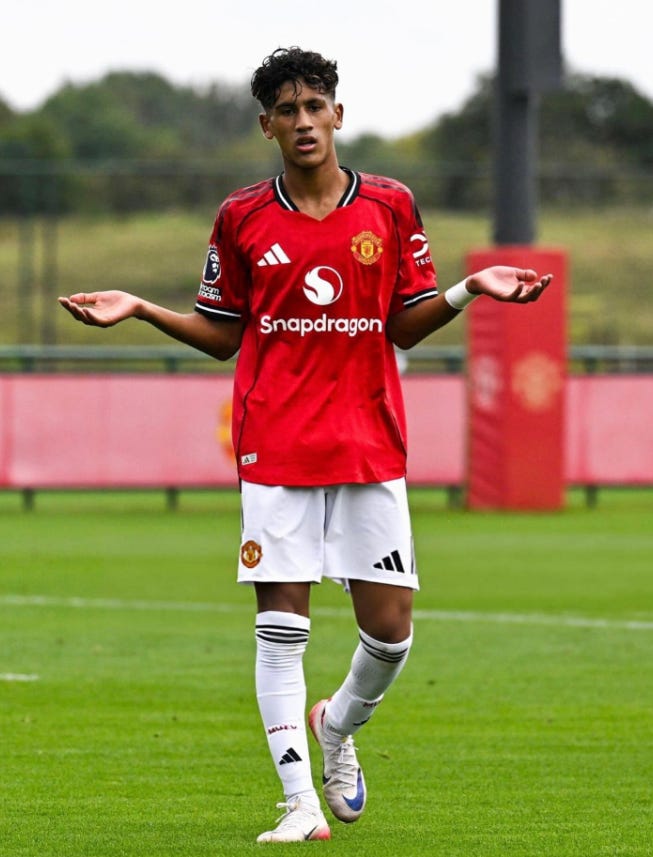
Manchester United have a 15-year-old called JJ Gabriel. At fifteen, most of us were negotiating permission to stay out later. Gabriel is already one of England’s most discussed young footballers. Last season, despite beginning it aged fourteen, he was named the Premier League Under-18 Player of the Season.
Now there is disagreement about his pathway. His representatives reportedly believe first-team promises were not kept. United say they are surprised by his request to leave. Barcelona and Real Madrid have been mentioned.
Same forest. Different monkeys.
The parent sees a child. The club sees talent. The football industry sees an asset.
And somewhere in the middle is a fifteen-year-old boy.
When your child has extraordinary talent, who decides he is ready?
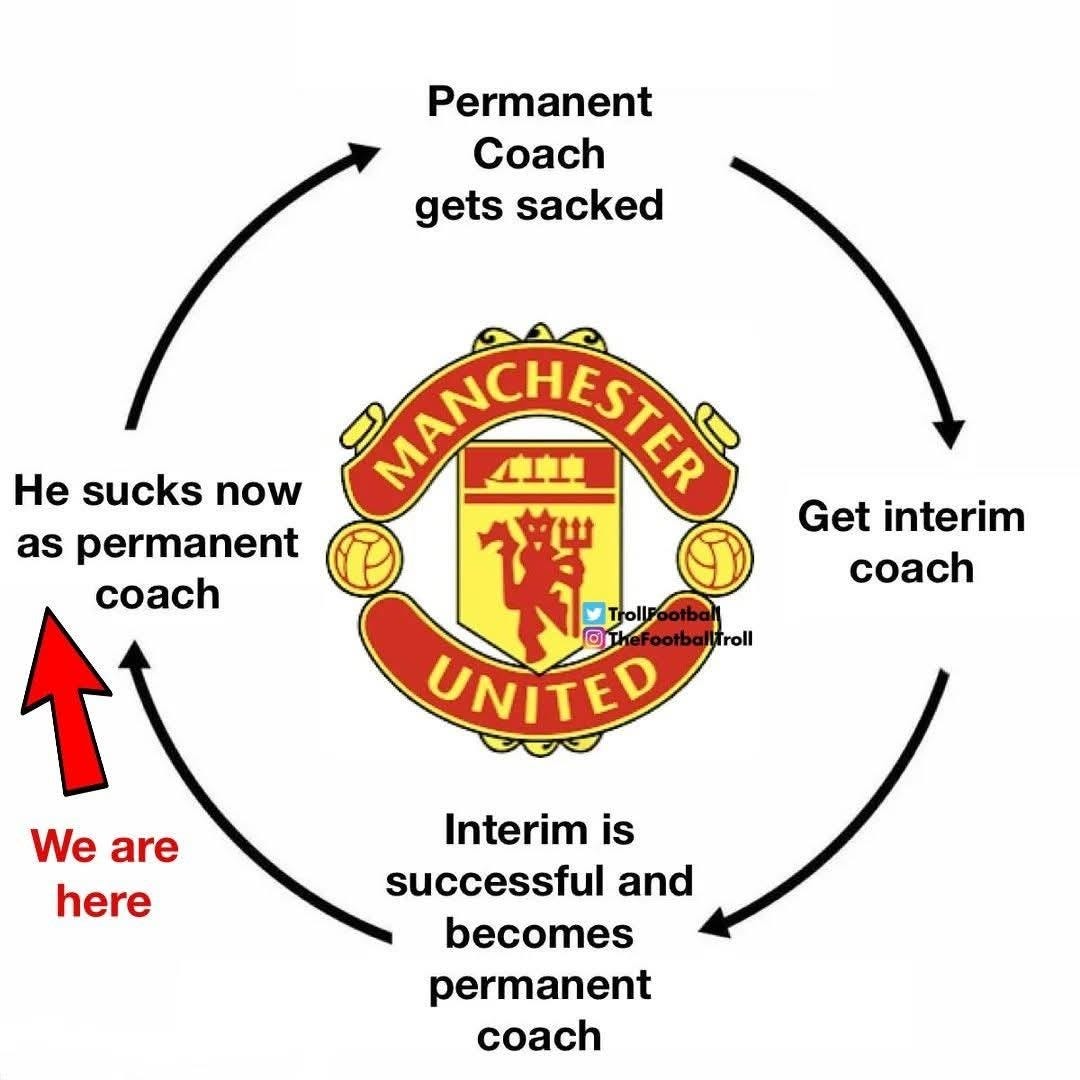
Since Sir Alex Ferguson retired in 2013, United have made ten managerial appointments involving nine men.
Moyes. Giggs. Van Gaal. Mourinho. Solskjaer. Carrick. Rangnick. Ten Hag. Amorim.
And Carrick again.
Thirteen years. Nine men. Ten appointments.
How often can you change the man in the driver’s seat before somebody opens the bonnet?
Companies do it too. Miss target. Change the sales manager. Miss again. Change the commercial director.
By the third fellow, you better inspect the engine.
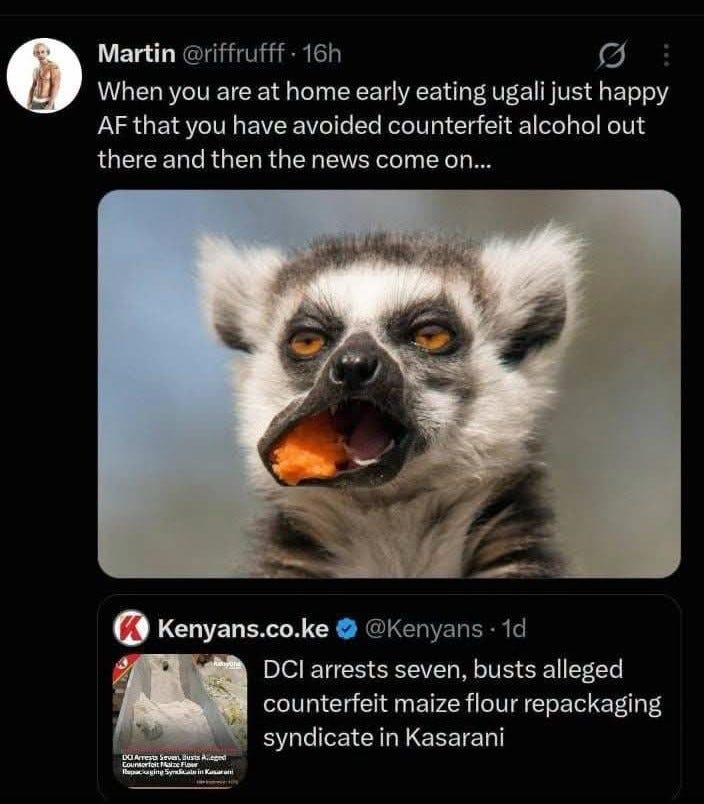
Meanwhile, Kenya produced a reminder about the environment in which talent must grow. Police reportedly raided a Kasarani operation repackaging maize flour into counterfeit branded packets.
Fake unga.
You avoided fake alcohol and stopped buying suspicious whisky from a fellow whose entire distribution network was the boot of a Probox.
Now even ugali requires due diligence.
Funny, until you think about the child we expect to become the next Faith Kipyegon or Beatrice Chebet.
Talent does not arrive fully formed. What surrounds it matters.
And this week, the world handed Kenya one enormous opportunity.
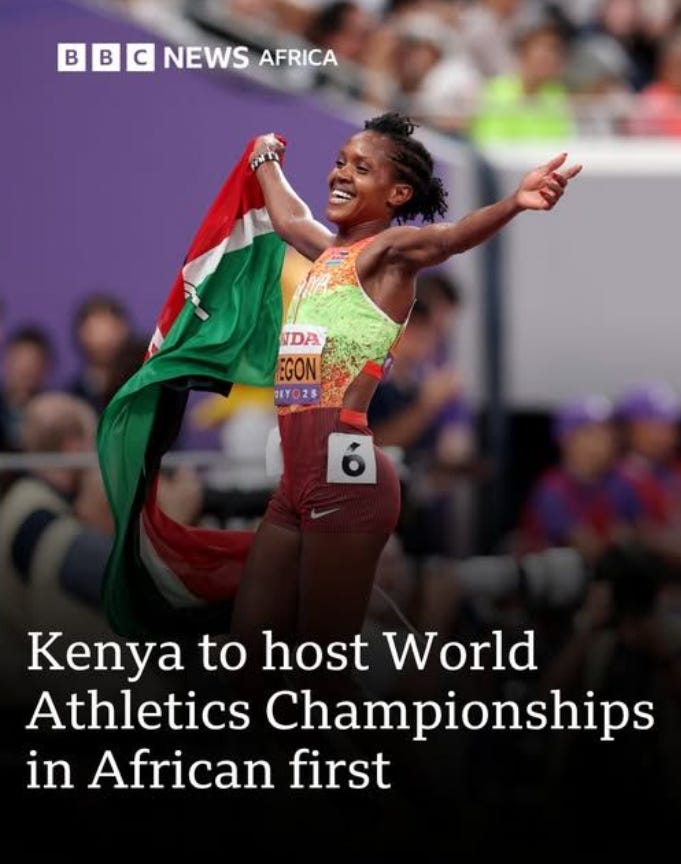
In 2029, Nairobi will host the World Athletics Championships, the first senior edition in Africa.
Not everybody was celebrating.
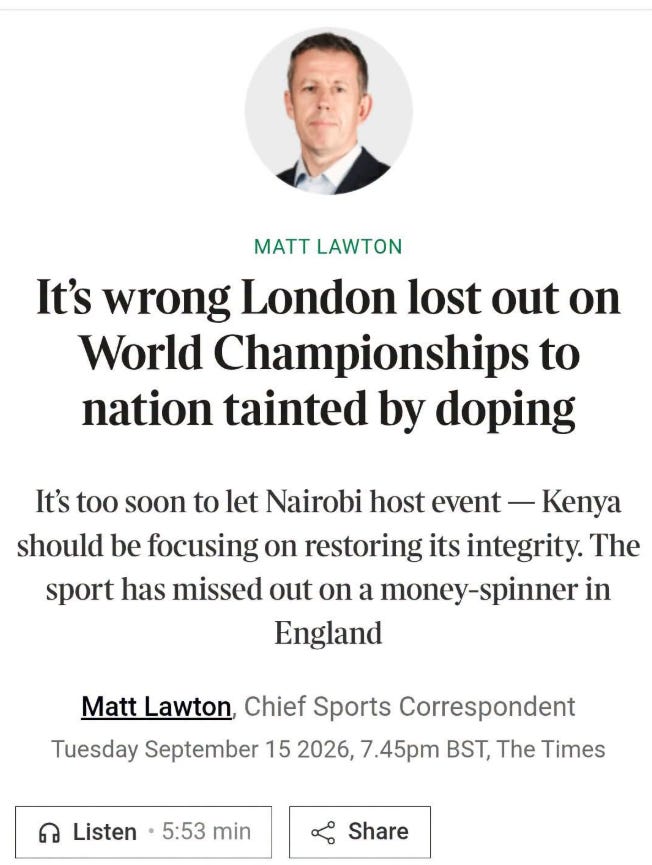
In The Times, Matt Lawton questioned whether Kenya, given its doping history, should have been awarded the championships. Kenya has had a serious doping problem. Serious interventions have followed, with visible efforts to strengthen testing, enforcement and oversight. There is still work to do.
But branding an entire athletics nation “tainted by doping” is another matter, especially when British sport has its own violations.
Talk about the Kettle calling the Birika black.
More interestingly, The Times said athletics had missed a “money-spinner in England.”
Aha.
London had £45 million in public funding committed with institutional sponsors to follow. Previous hosts explain why. Tokyo 2025 reported an impact equivalent to roughly KSh68 billion. Budapest, about KSh52 billion. Eugene, nearly KSh20 billion.
The studies measure different things, so this is not cash in the bank. But it shows the opportunity.
Hotels. Airbnbs. Airlines. Nganyas. Restaurants. Tour operators. Broadcasters. Creators. Iten. Merchandise.
The kibanda selling food outside Kasarani.
How much will spin through our economy, and remain after the final visitor leaves?
That brings me back to some badly dressed youngsters hiding behind a jacaranda tree on Kimathi Street.
We had reached the door to Visions. Barre got us through it.
But his greater gift came later. Access was only the beginning. Once the door opened, you had to enter with confidence and know what to do with the opportunity.
Kenya has just received one very large complimentary ticket.
London calls it a money-spinner.
Barre would have adjusted a jacket, checked the shoes and offered the advice he gave a generation of young men:
Don’t dress like your problems, Kenya.
Dress for the opportunity.
Same Forest. Different Monkeys.
Mubarikiwe. Jah Bless.
Go with song. The New Jack Swing.
I didn’t know about Barrack’s passing. May he RIP and a wonderful tribute KT.
https://youtu.be/F727iU7jPOE?si=8I6cy2ACXgha-Rss
May your friend, Barre, go with song.