
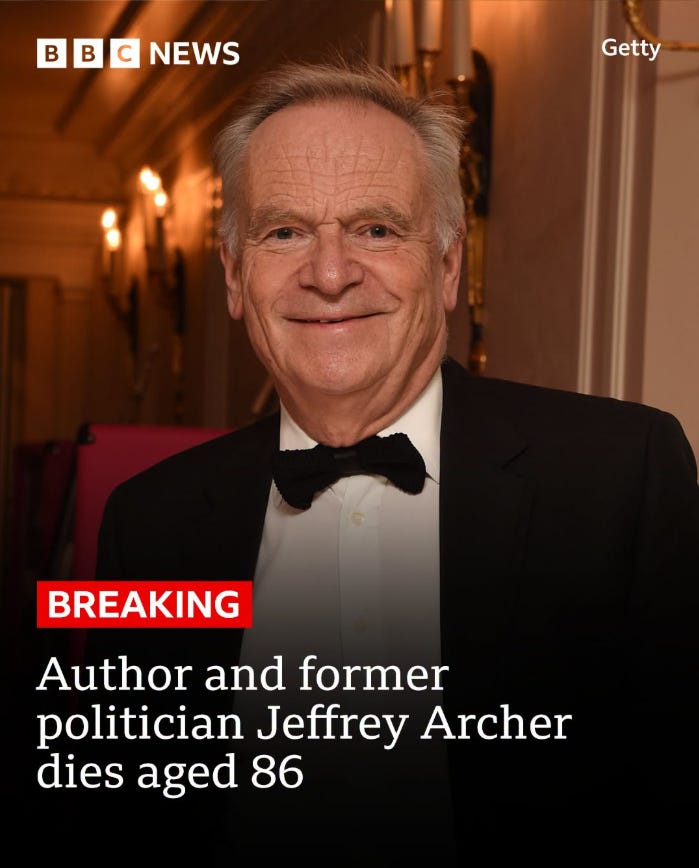
How many times have you defended or accused someone, only to discover you were reading the wrong script?
Jeffrey Archer made a career out of that uncomfortable moment. You had identified the villain, trusted the respectable gentleman who accused him and prepared your verdict. Then he turned the page. Suddenly, your respectable gentleman needed a lawyer.
Archer died on 5 October, aged 86, a day before his final novel, Adam & Eve, was due out. Even his departure came with a twist. He was one of my favourite authors, and A Twist in the Tale helped inspire Same Forest. Different Monkeys. I liked the way he let people reveal themselves while we congratulated ourselves on understanding them.
Take the British edition of First Among Equals.
Four men want the highest political office. Charles Seymour, an earl’s younger son and Oxford graduate, has pedigree, connections and ambition. His elder brother gets the inheritance. Charles must find another way to become important. When Simon Kerslake threatens that ambition, Seymour works to undermine him. Apparently, a good upbringing does not prevent bad behaviour. It can provide better cutlery.
Kerslake is a solicitor’s son, persistent enough to survive setbacks that would send others home. But money troubles and threatened bankruptcy keep interrupting his climb.Raymond Gould brings humble origins and a formidable economic intellect to Labour politics. He can explain the figures while his colleagues are still looking for the relevant page. Brains can open a door. They cannot guarantee that the people inside will like you.Andrew Fraser, son of a Conservative, joins Labour, then leaves for the breakaway Social Democratic Party (SDP) and becomes its leader. Principle, ambition and political survival share a vehicle, though nobody agrees who is driving.
Four men. One prize. Same Forest Different Monkeys.
I shall leave the Kenyan casting to you. When your favourite changes parties, do you inspect his reasons, or move your chair and continue applauding? Archer knew how readily we mistake knowing somebody’s story for knowing the person.
At a Kenyan family gathering, that confidence starts early.
“His father’s ears.” “That forehead is from our side.”
The baby is three weeks old and the relatives have distributed his anatomy like an estate. No laboratory, no appeal, and the loudest auntie chairs the proceedings.
Resemblance, our favourite unpaid witness, deserves cross-examination.
We also insist couples grow alike through marriage. The 2018 PLOS ONE paper, Revisiting facial resemblance in couples, found perceived resemblance beyond hair and accessories, with judgments about personality influencing what observers saw. The 2020 Scientific Reports study examined 517 couples and found facial similarity at the outset, without greater similarity decades later. Two different studies, neither a paternity test. Neither study establishes what happens among Kenyan couples.
The family committee may keep its tea. It should surrender its facial recognition certificate.
The graphs below (if you can make sense of them) show how facial similarities account for successful couples. (the survey somehow moved from Europe to Asia without consulting Africa)
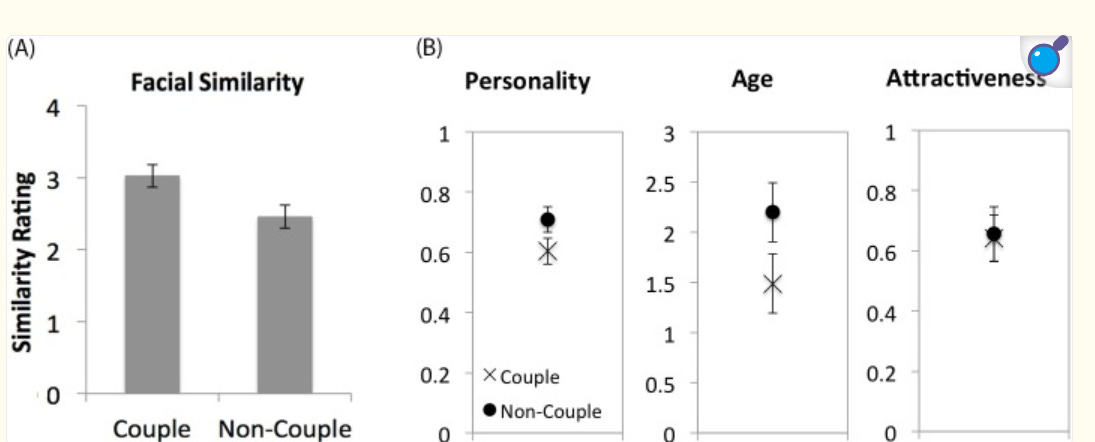
Talking about people who look like each other.
Picture a recruitment interview. A young woman, smartly dressed, mentions your old school and the famous dining-hall matron. You were asking about a customer problem. Suddenly, you are remembering school lunch. By the end of the interview, you have discovered three mutual friends and agreed that young people no longer want to work. The candidate has not yet explained how she will fix your sales problem, but you like her. “She’ll fit in well here.” Sawa boss. Another mini-you.
Soon you have a team of clones, dressing, walking and talking like you and bringing the same worldview to every task and every mistake.
Who will bring what the team is missing? Professionally its called “Similarity attraction bias”, wearing the respectable clothes of culture fit.
Your sales problem remains unsolved.

Meanwhile, ‘Made in China’ used to settle an argument before you even opened the box. Cheap. Probably fake. How long will it last?
You checked the price and negotiated with your expectations. If the thing survived until Christmas, sawa.
Now look again. China was moving beyond the job we had assigned it. We kept the joke; they kept building.
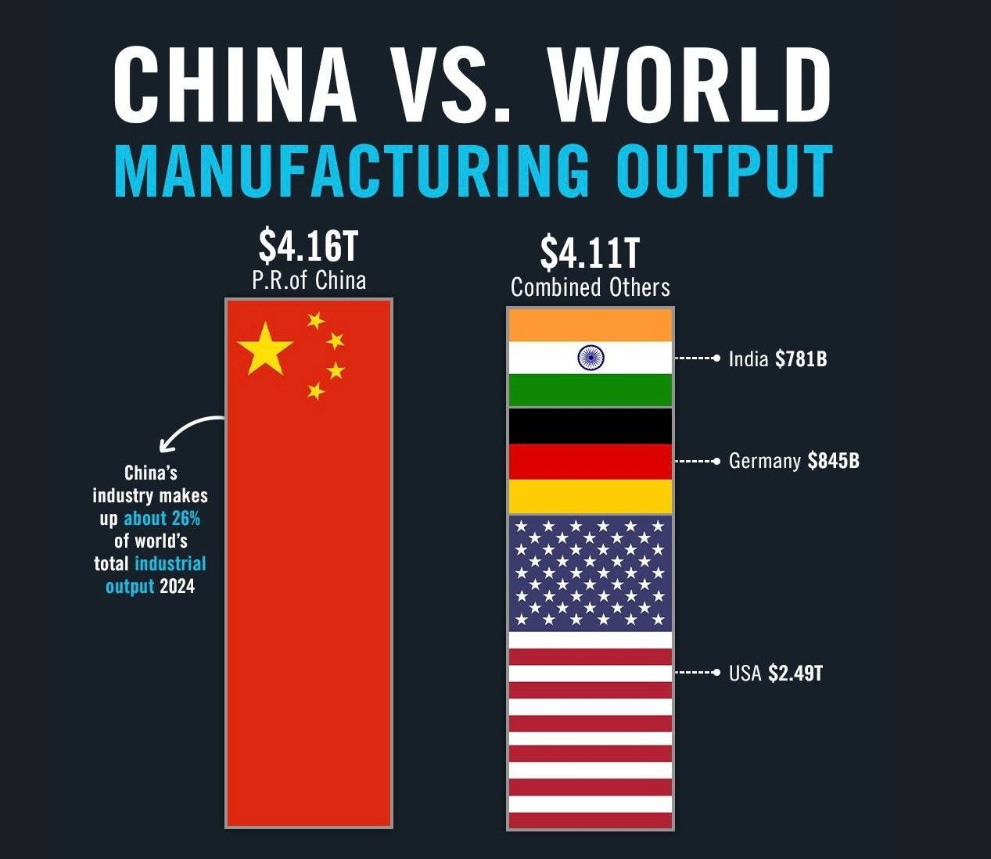
Stanford’s research summary reports that domestic value added, the portion of export value created within China, rose from 66% to 76% between 2007 and 2020. Then BYD’s first Brazilian-built vehicle rolled off the line at Camaçari in July 2025. Initially, it was semi-knocked-down assembly, with localisation still developing.
Made in Brazil. Built by China.
Our old insult now needs a geography lesson. The transformation is unfinished and carries costs: imported inputs remain, and the Brazilian project has faced allegations about contractors’ treatment of workers.
Admiring capability does not require ignoring how it was built.
What did we build for our football?
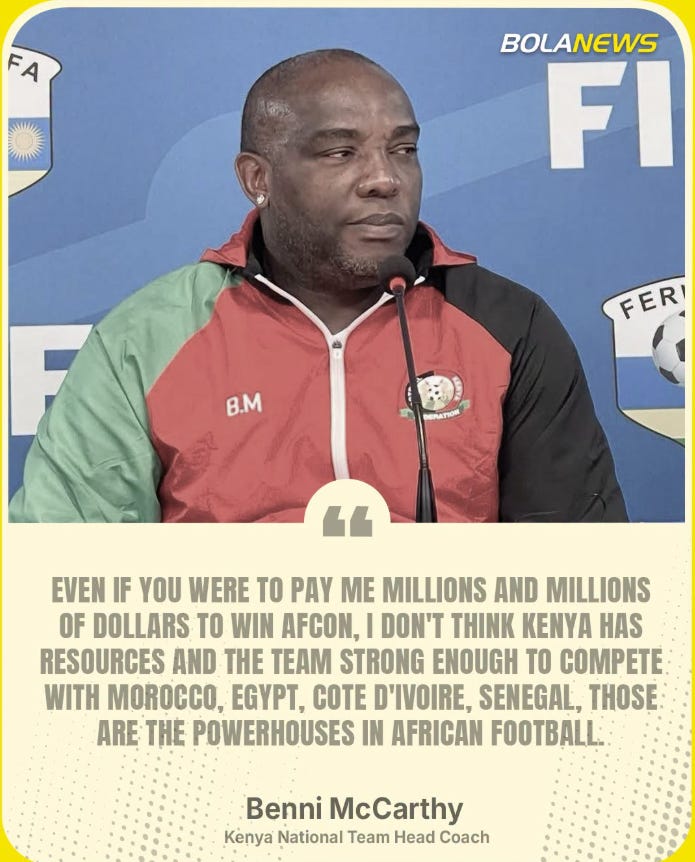
We are very good at demanding finished excellence while refusing to finance the years before it. Which brings us to Benni McCarthy and our expectations of AFCON 2027. Reports of his press conference say Kenya lacks the squad and resources to challenge Morocco, Egypt, Senegal and Côte d’Ivoire for the title. Paying him millions would not change that overnight. You can hear the indignation: “Then why did we hire you?” Perhaps we expected eleven internationals in his suitcase.
Awala, the Kaya kingdom heir apparent, has supplied names worth reading aloud: Linton Maina, Tyler Onyango, Clement Mutahi Bischoff, Zak Vyner, Silko Amari Otieno Thomas and Eliot Matazo. Somewhere, somebody is saying, “ Kazungu wehu” Tyler ni mtoto wa nanii, Linton ni wa murima. These are family connections stretching across football’s map. Brooklyn Mwadime Kazungu, the MK Dons forward, has already received a Kenya Under-23 call-up. A name on the team sheet brings the conversation home.
But ancestry is not a signed commitment. Eligibility, willingness, paperwork, fitness and combinations matter. Recruit the diaspora. Also ask why somebody else must keep financing the talent we hope to collect. Benni owes us selection, preparation and improvement. His salary does not buy the years of player development we failed to fund.
Sales managers know this arrangement. New appointment, impressive introduction, ambitious target. Same product problems, neglected team and empty budget. Three months later, management asks why experience has failed to perform miracles.
Kuwa serious.
You cannot hire somebody to harvest what you refused to plant.
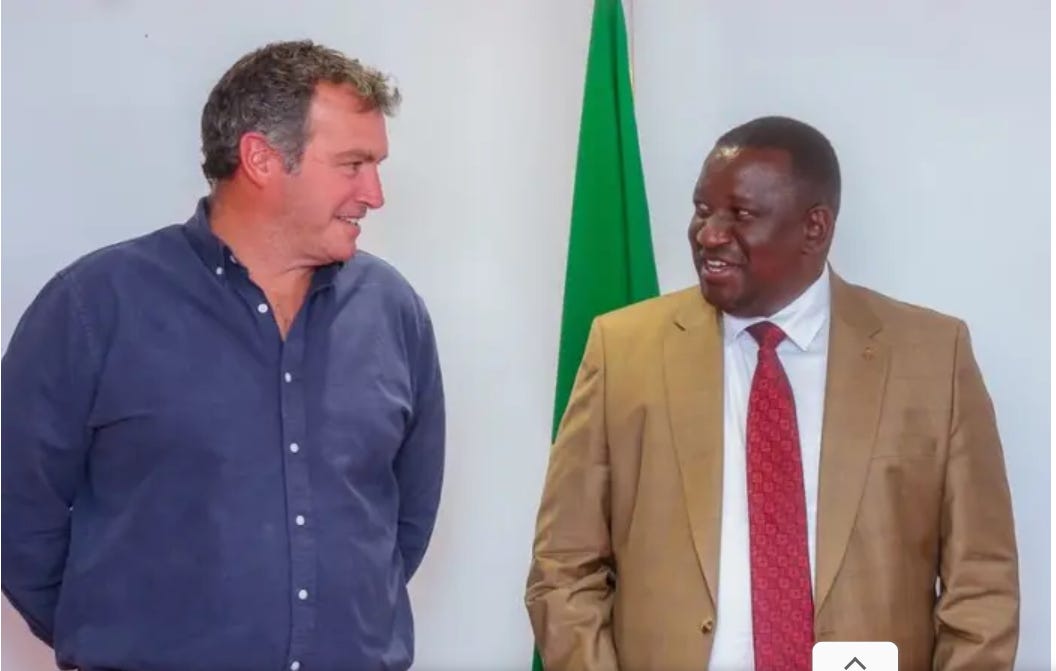
Carl Tundo’s Safari Rally work offers a constructive response. Ahead of the 2026 event, he credited SportPesa with covering a funding shortfall and acknowledged KCB, Kenya Airways and Safaricom. “I want private capital playing a bigger role in owning and running sport commercially, with proper accounts and enforceable rights.” Sponsorship buys exposure; management operates the business; ownership carries control and financial risk.
Institutional integrity is the spine of Sports development.
China built suppliers around production. Sport must build development around performance. Private money cannot cure every football failure, but somebody must finance the unphotogenic years. The trophy presentation is a terrible place to start looking for investors. By then, everyone wants the photograph.
MZEE NI WEWE
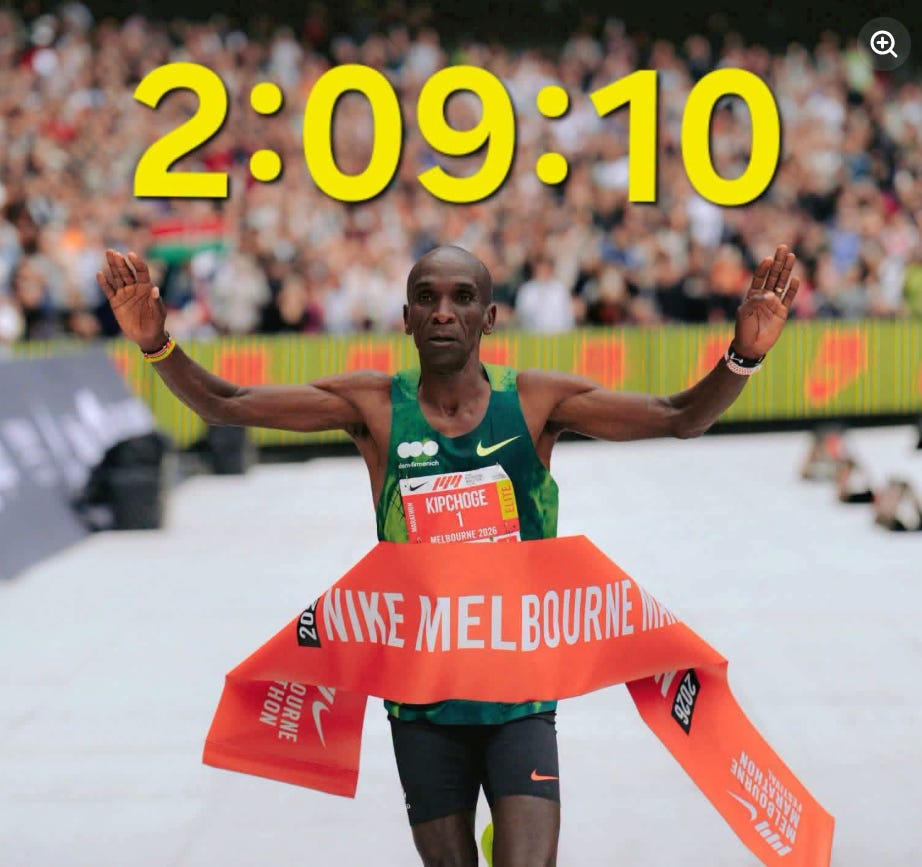
Eliud Kipchoge provided a welcome interruption to the obituaries being written about his career. Melbourne, 2:09:10: a course record by two seconds, his seventeenth marathon victory and first since Berlin 2023, aged 41. Three years without winning is a long silence when the world expects a victory every time you lace your shoes. Some of us recognise the silence from unanswered applications and phones that used to ring. Today, he answered on the road.
Briefly, New Zealand beat Australia 50–19 in the Bledisloe encounter. At Safari Sevens, Shujaa and the Lionesses emerged victorious again.
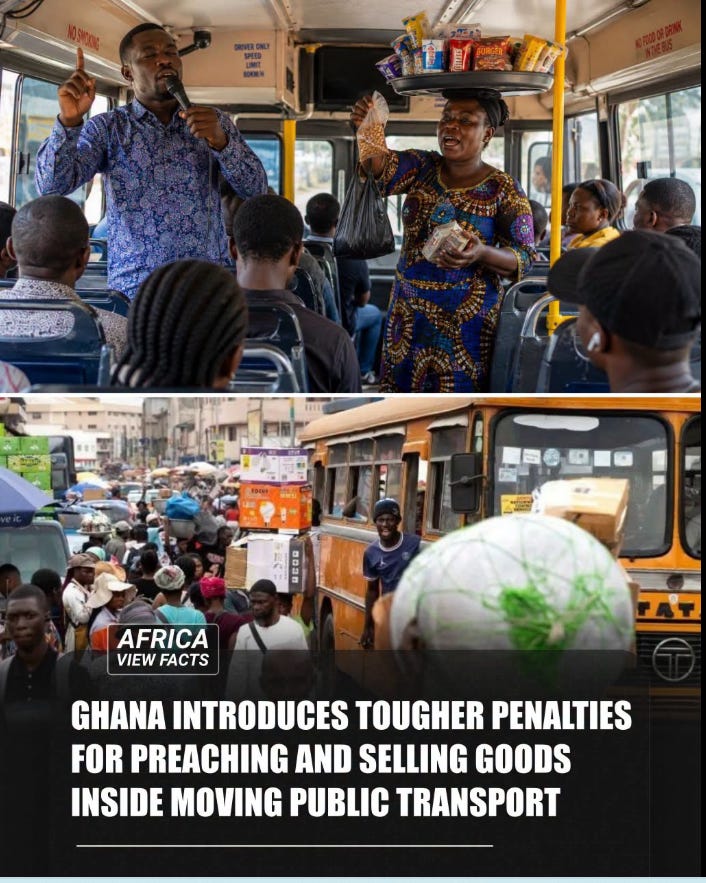
Ghana, meanwhile, has given the bus preacher something new to pray about. Its restriction concerns preaching and hawking in moving public or commercial vehicles, with reported penalties including fines or up to eight months’ imprisonment. Reports on 9 October said implementation was suspended. Stationary vehicles are outside this particular prohibition.
Imagine our mathree. Fare paid, knees folded, conductor squeezing in one more passenger. A man stands:
“Praise the Lord!” Riiiissswaaa!!
You were hoping to reach town. The sermon gathers momentum; a pothole supplies the resurrection. Then comes the collection.
Apparently, your fare covered transport but excluded salvation.
Jeffrey Archer would appreciate the twist.
Preach while parked, stop when moving.
Nairobi traffic could accommodate both Testaments.
Just as the collection reaches you, the matatu is stopped by traffic cops and an officer walks in. The preacher drops his “collection pouch” on your lap as he tries to exit the vehicle,
A twist in the tale.
Lets try something next week. Examine one familiar verdict you have stopped questioning. Your preferred candidate, your supplier, your assumptions about someone’s ability. What evidence would make you change your mind?
Same Forest. Different Monkeys.
Mubarikiwe. Jah Bless.
P.S. WHO’s 8 October update confirms Kenya’s imported Bundibugyo Ebola case following travel from the DRC through Uganda. The patient died; contact tracing followed. Follow official health updates. A grieving family and a public health response deserve better than forwarded funding conspiracies.
Let celebrate this welcome twist. Go with song.